😱 the opportunity —
Venas implementation process as a net new customer, working with a consultant takes 20+ weeks (300hours) leading to high churn, increased customer frustration and business costs.
How might we create a user-friendly, onboarding tool that reduces cognitive load and simplifies setup enough to empower and enable customers to tackle the first steps on their own?
🔍 research —
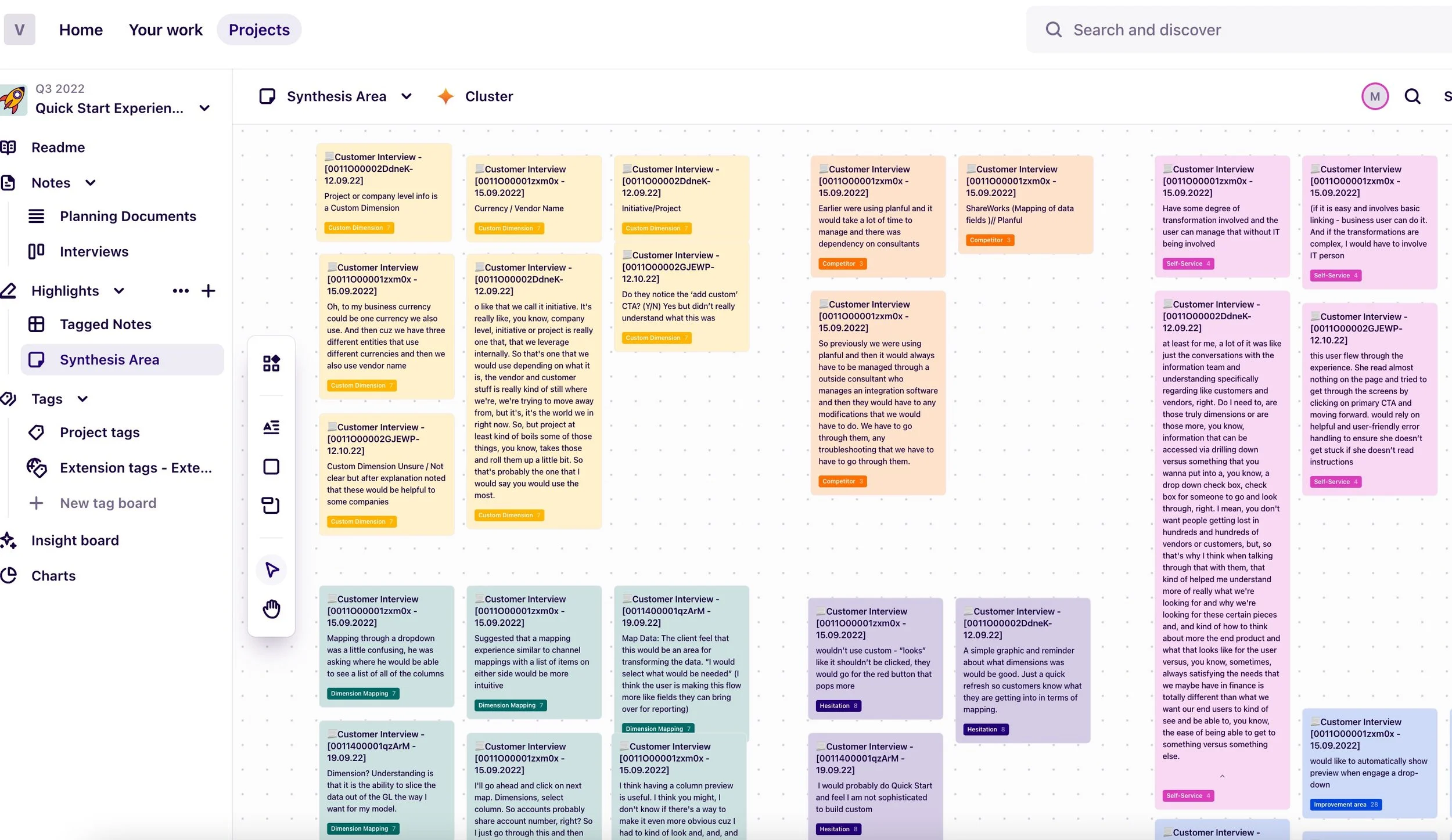
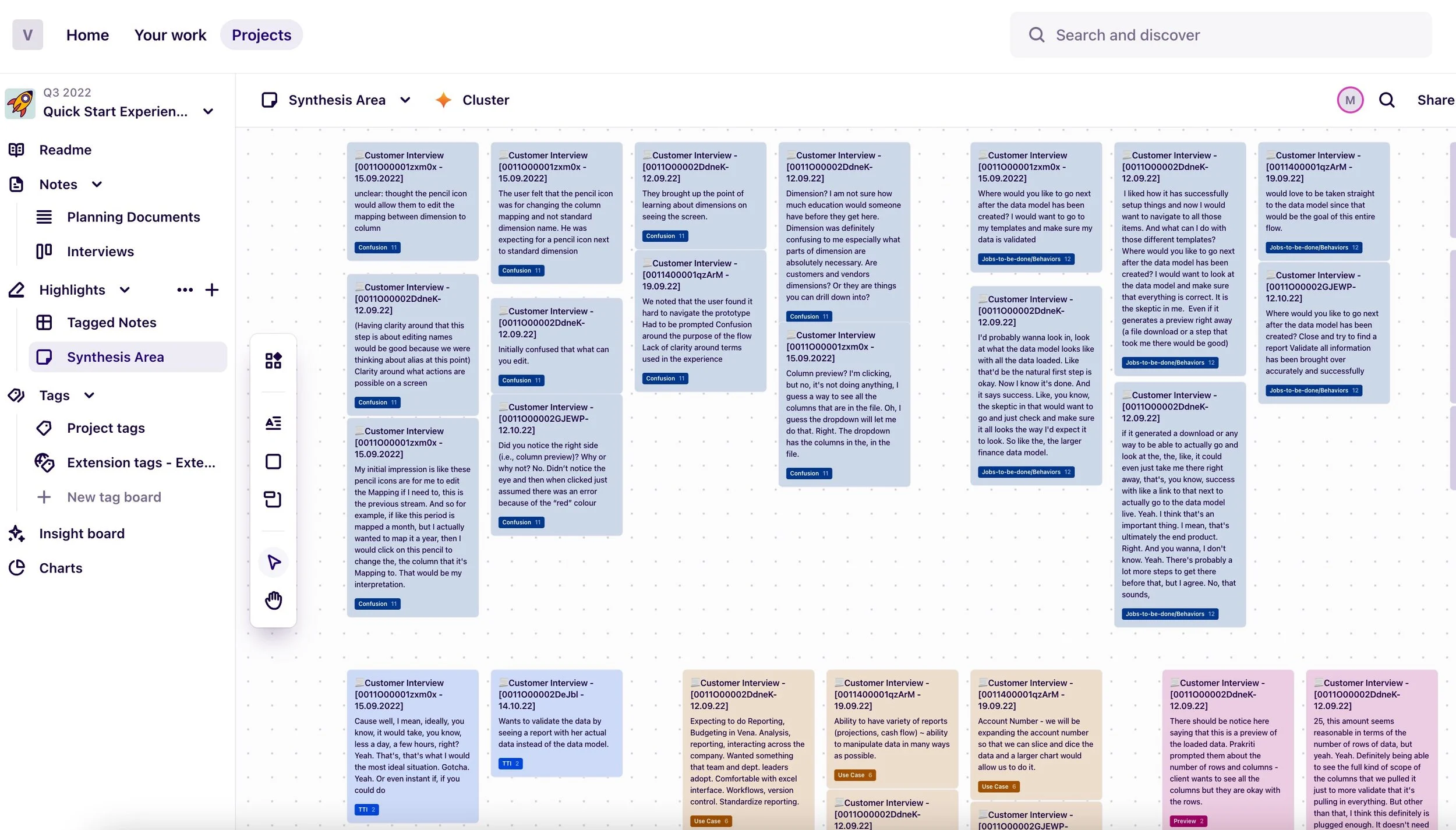
Deciding on a solution approach started with understanding who we were designing for. Working collaboratively with cross-functional teams, we conducted user interviews with current customers, internal consultants and anyone impacted by implementation processes to understand the expectations, frustrations, pain points and disappoints were.
Key takeaways about implementation process:
Frustration about how long it takes to work with a consultant
Users were too nervous to make an error when setting up their model
Confusion over the Vena jargon
🔑 key solution areas —
Based on the insights we gathered, we focused on four primary areas to improve and simplify the experience:
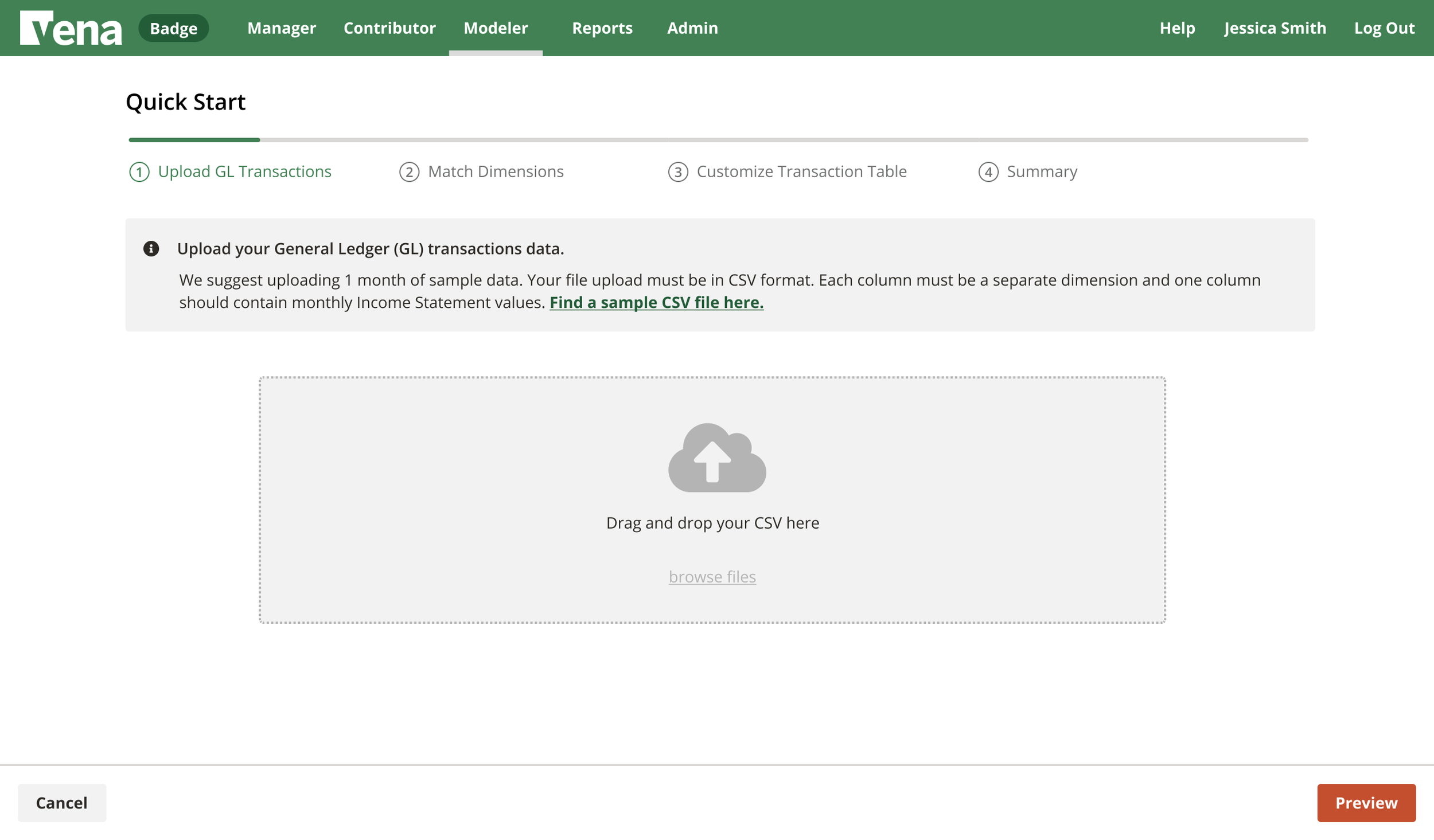
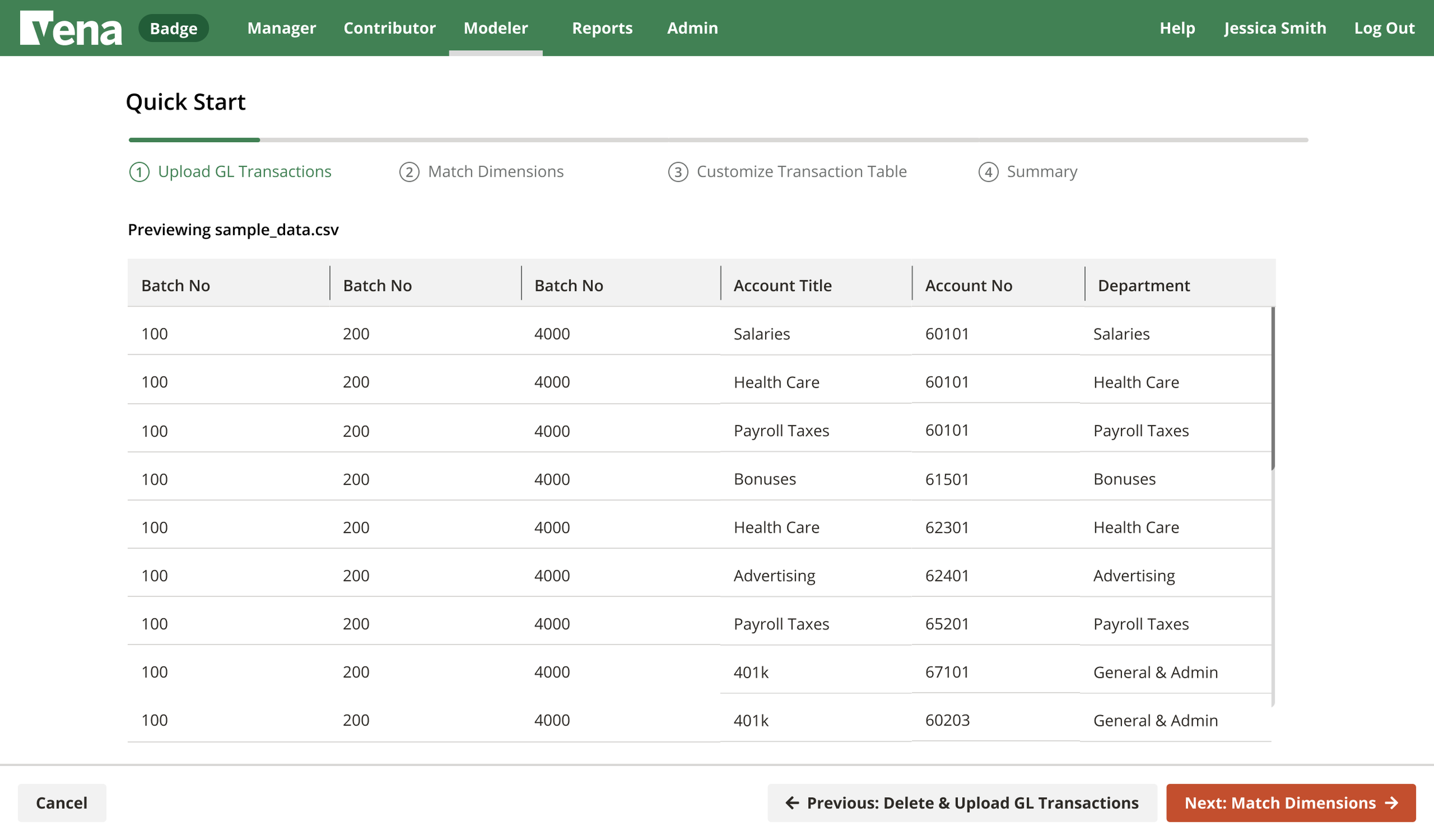
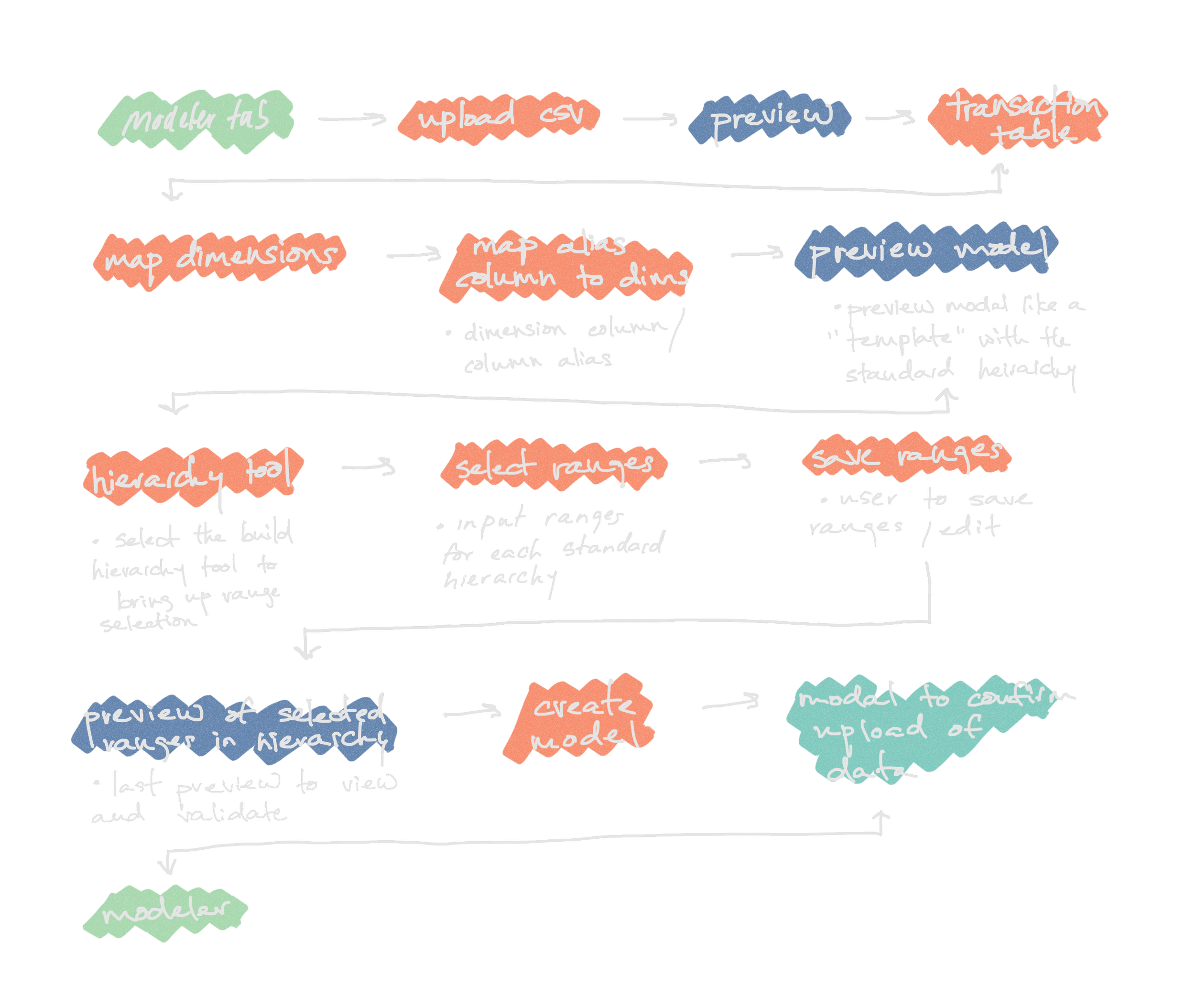
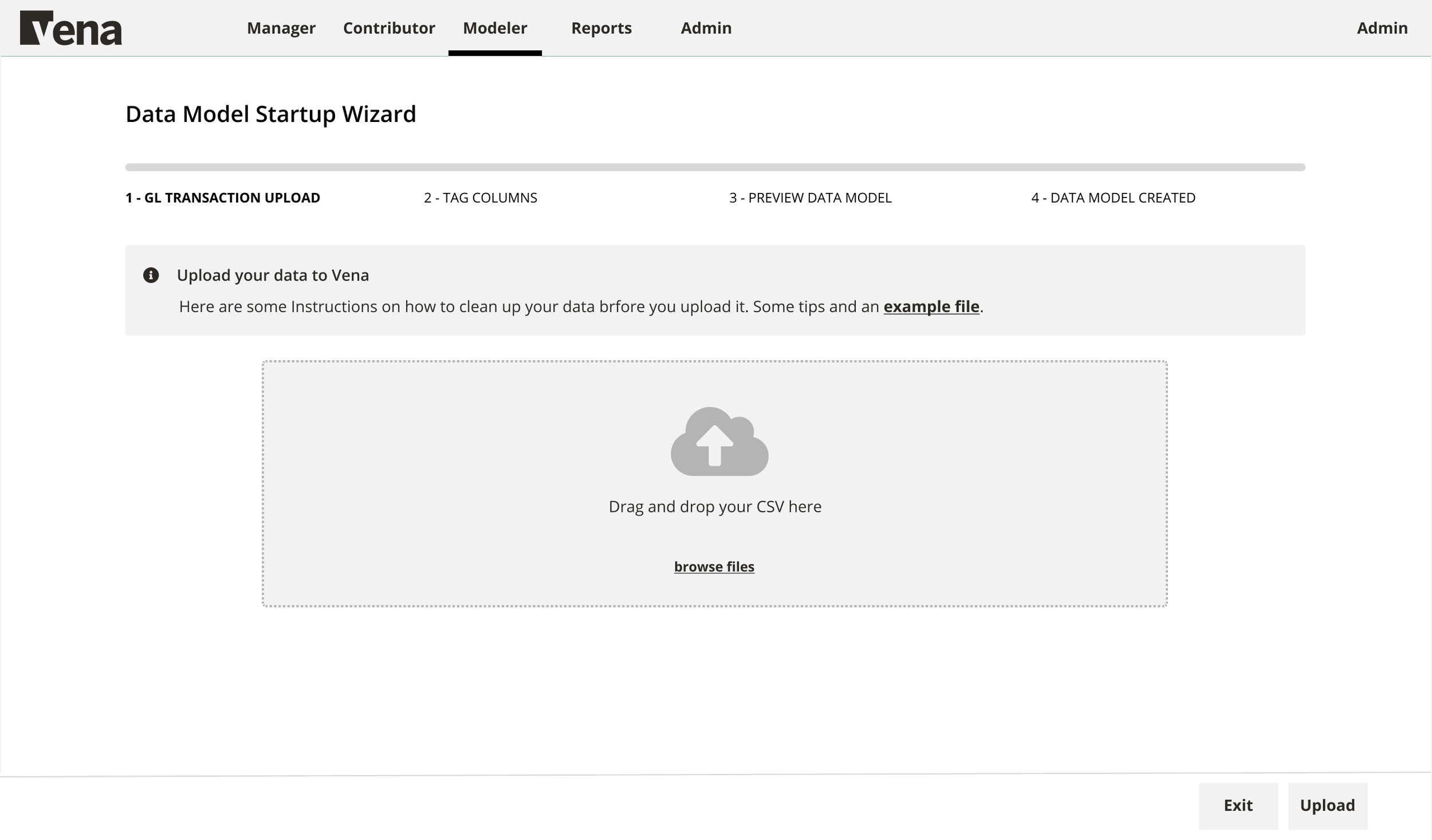
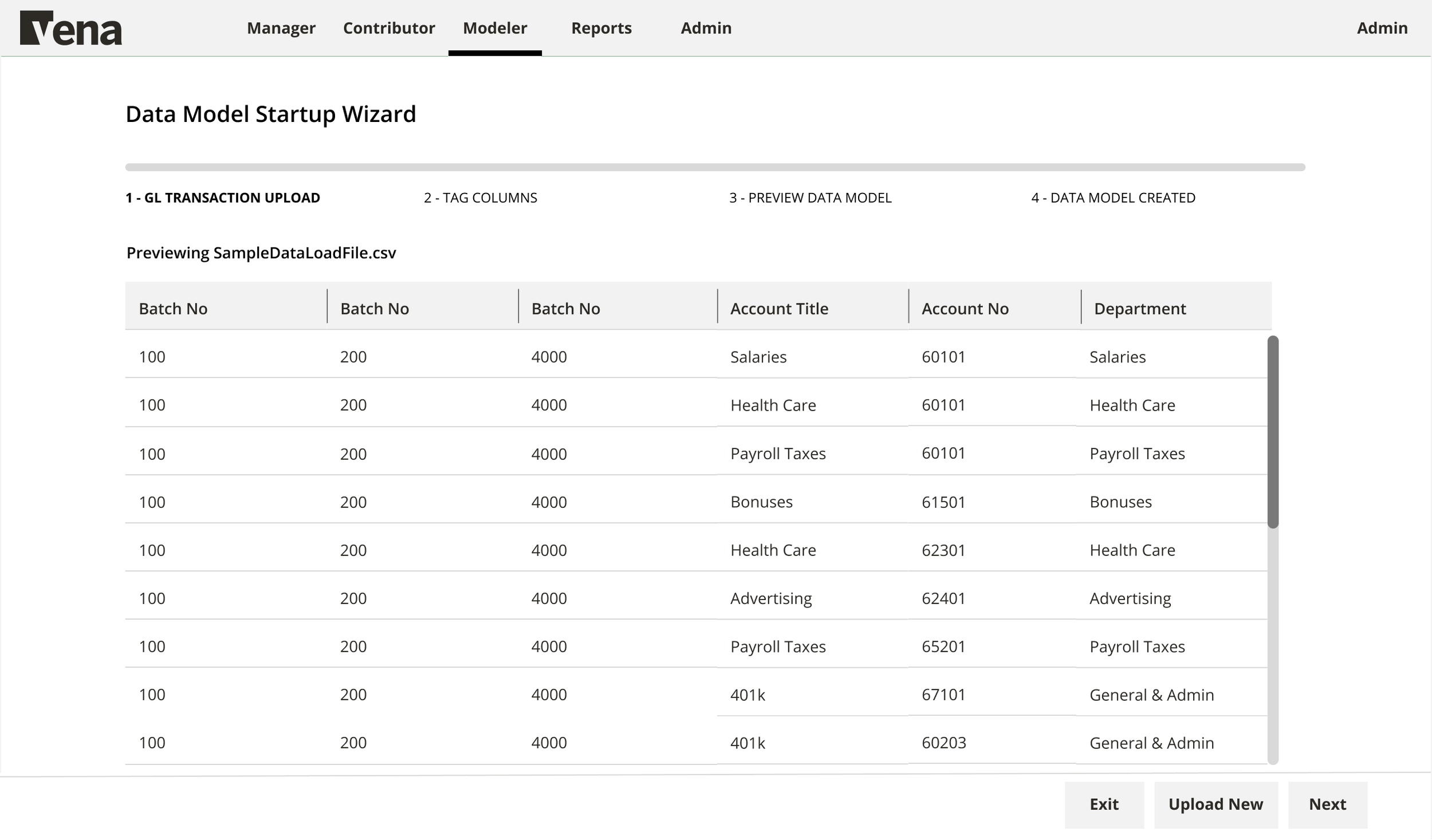
1️⃣ GL Upload
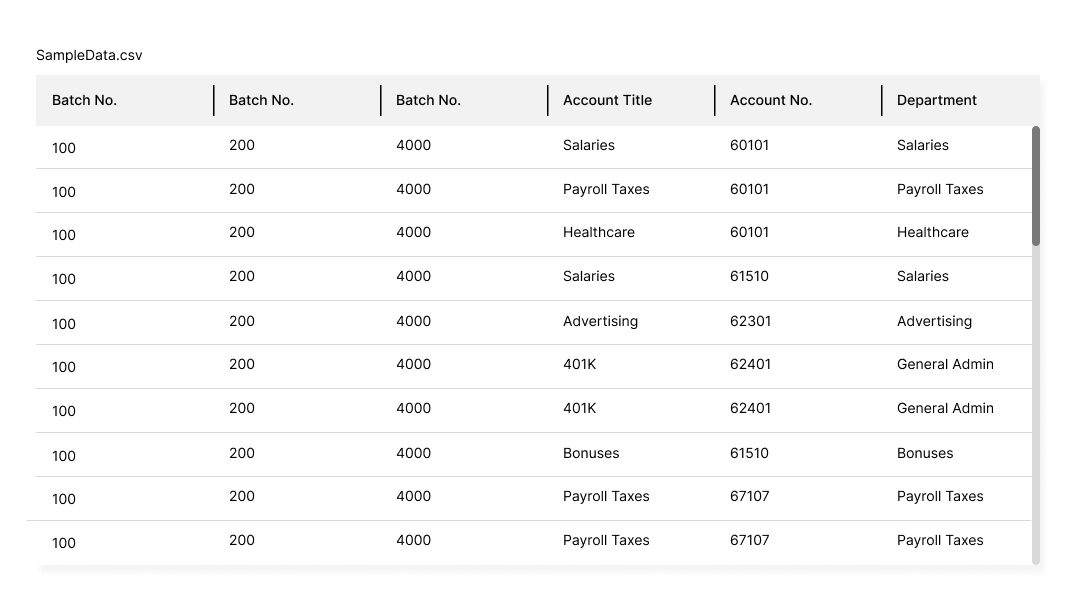
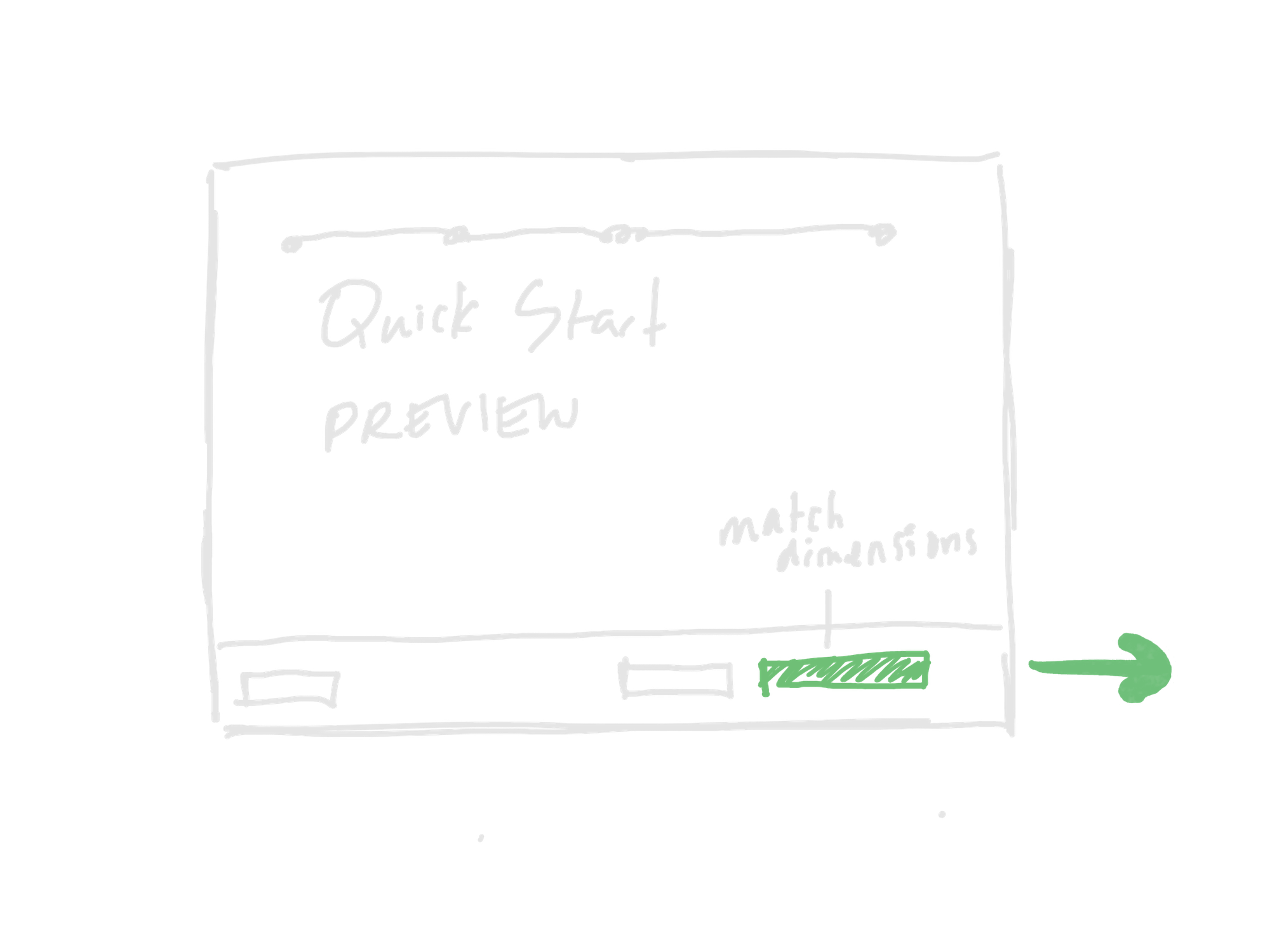
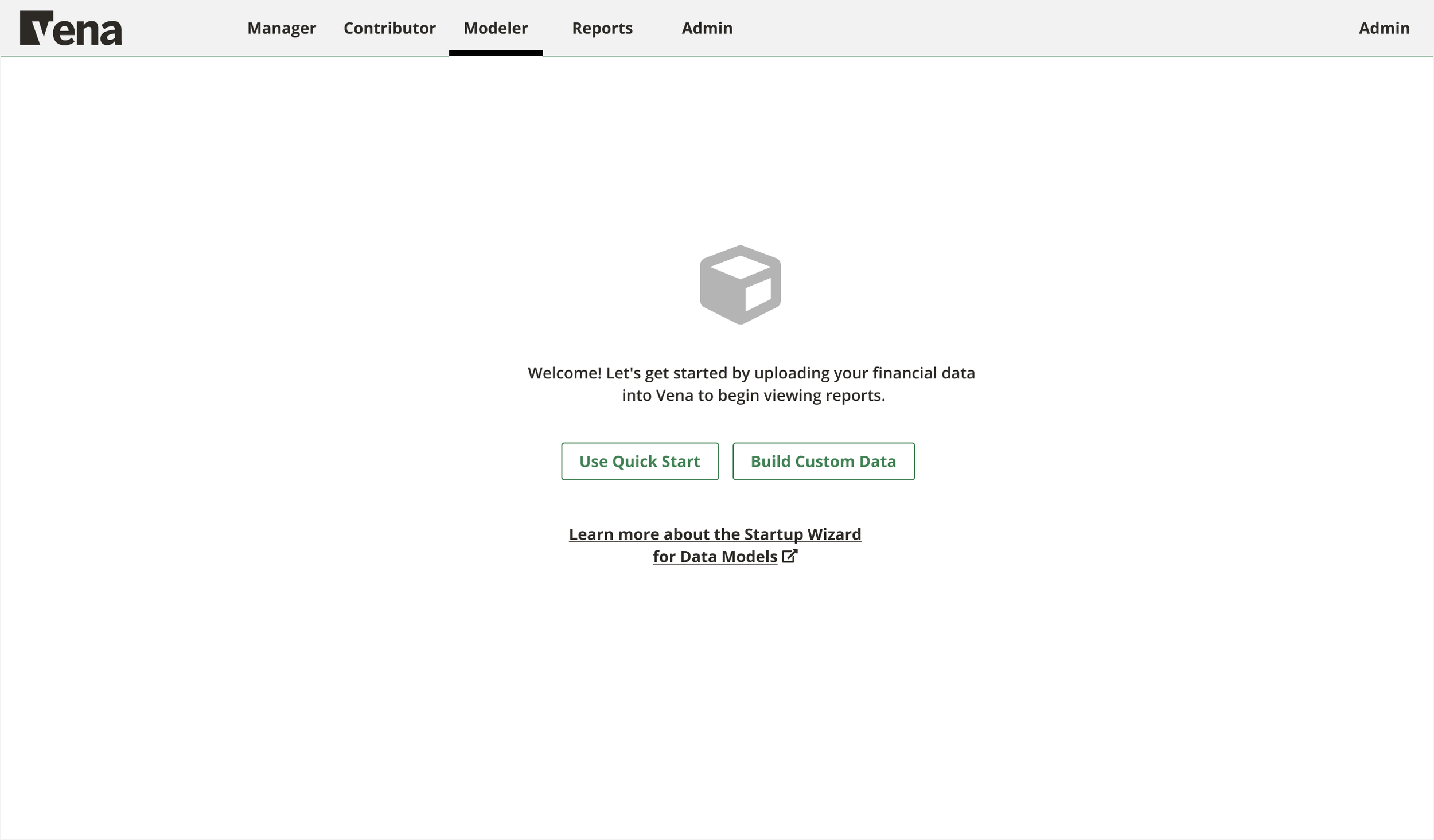
Empowering users to start the process independently by allowing for an easy upload of their .csv files.
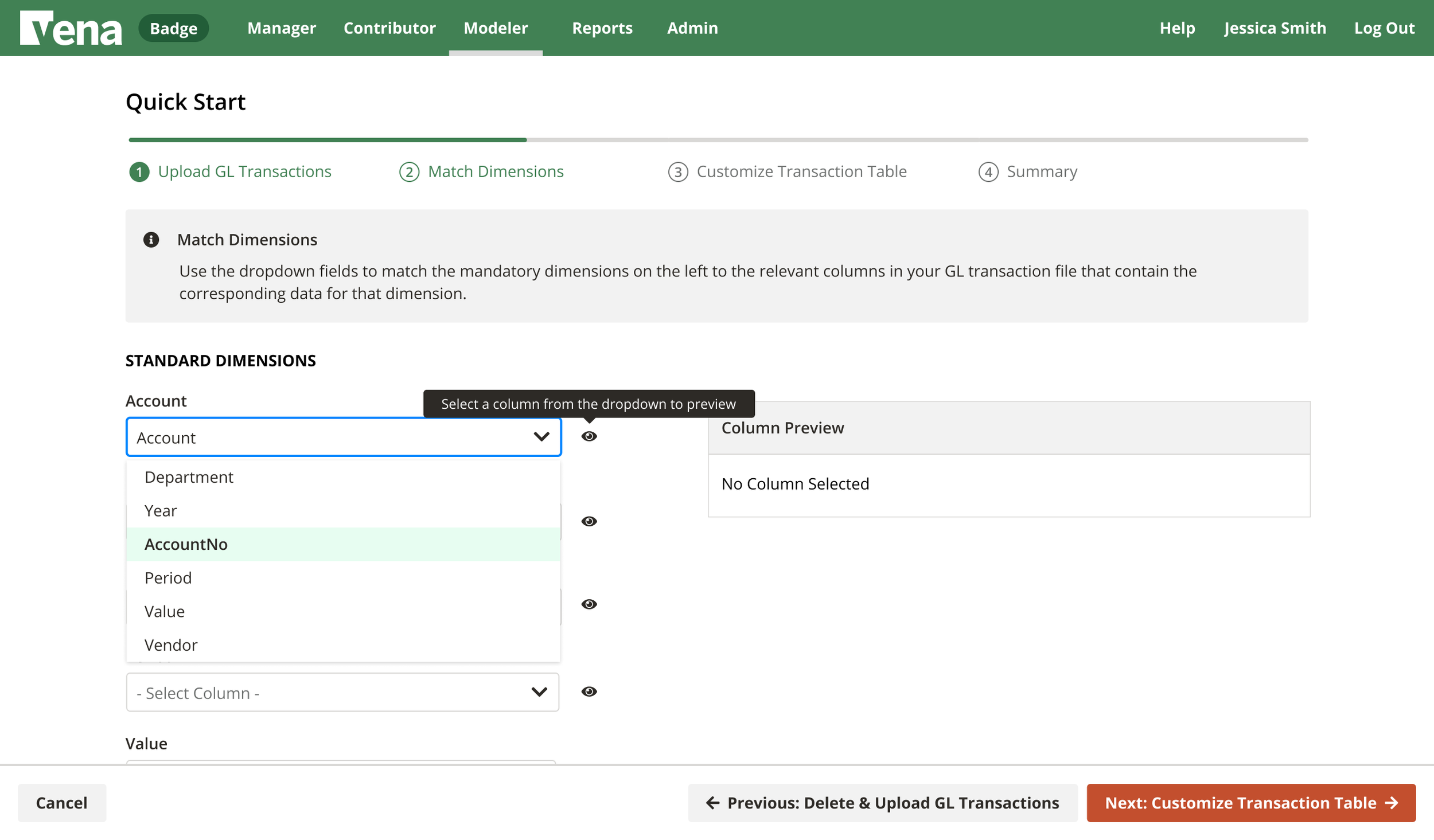
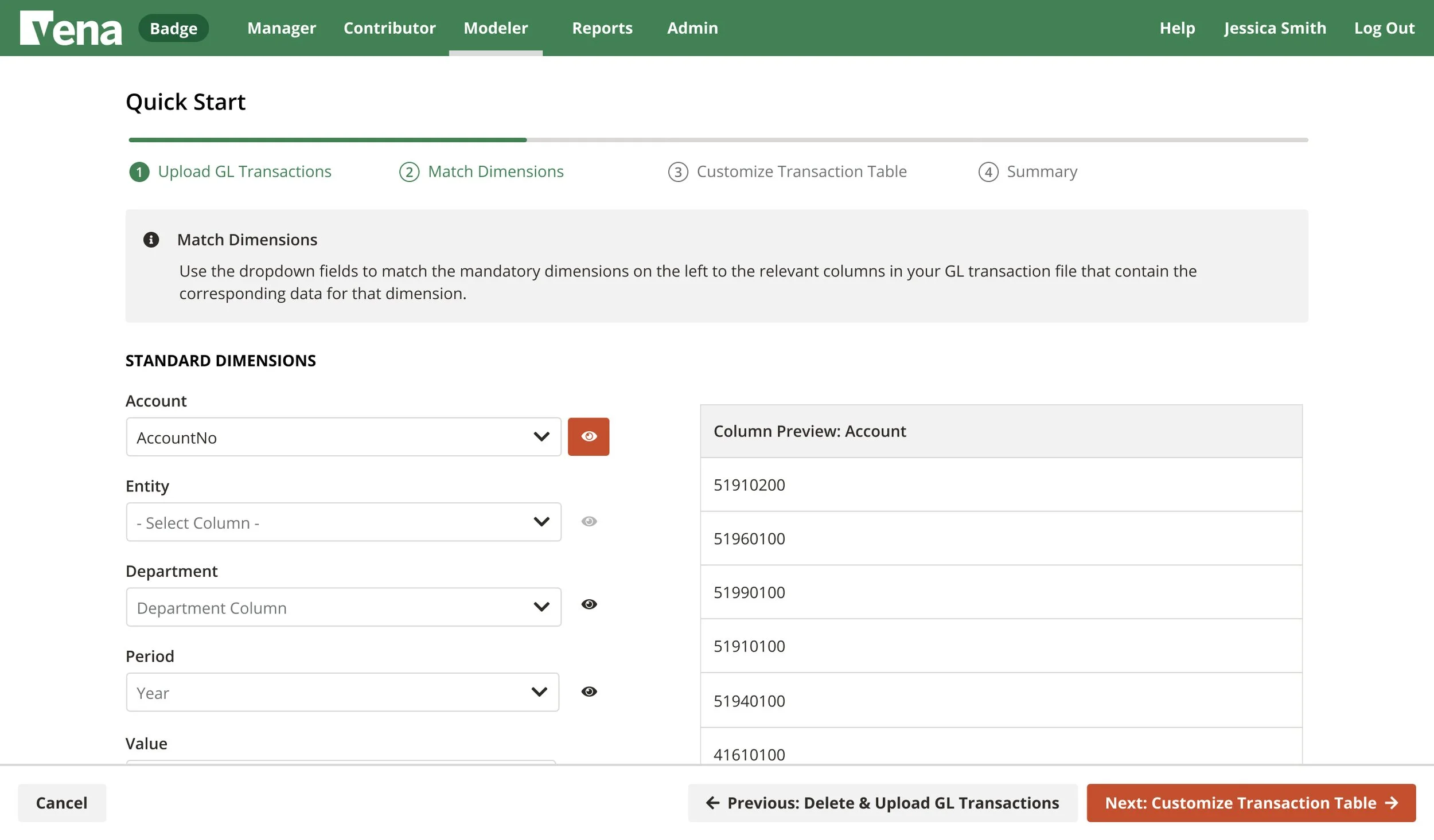
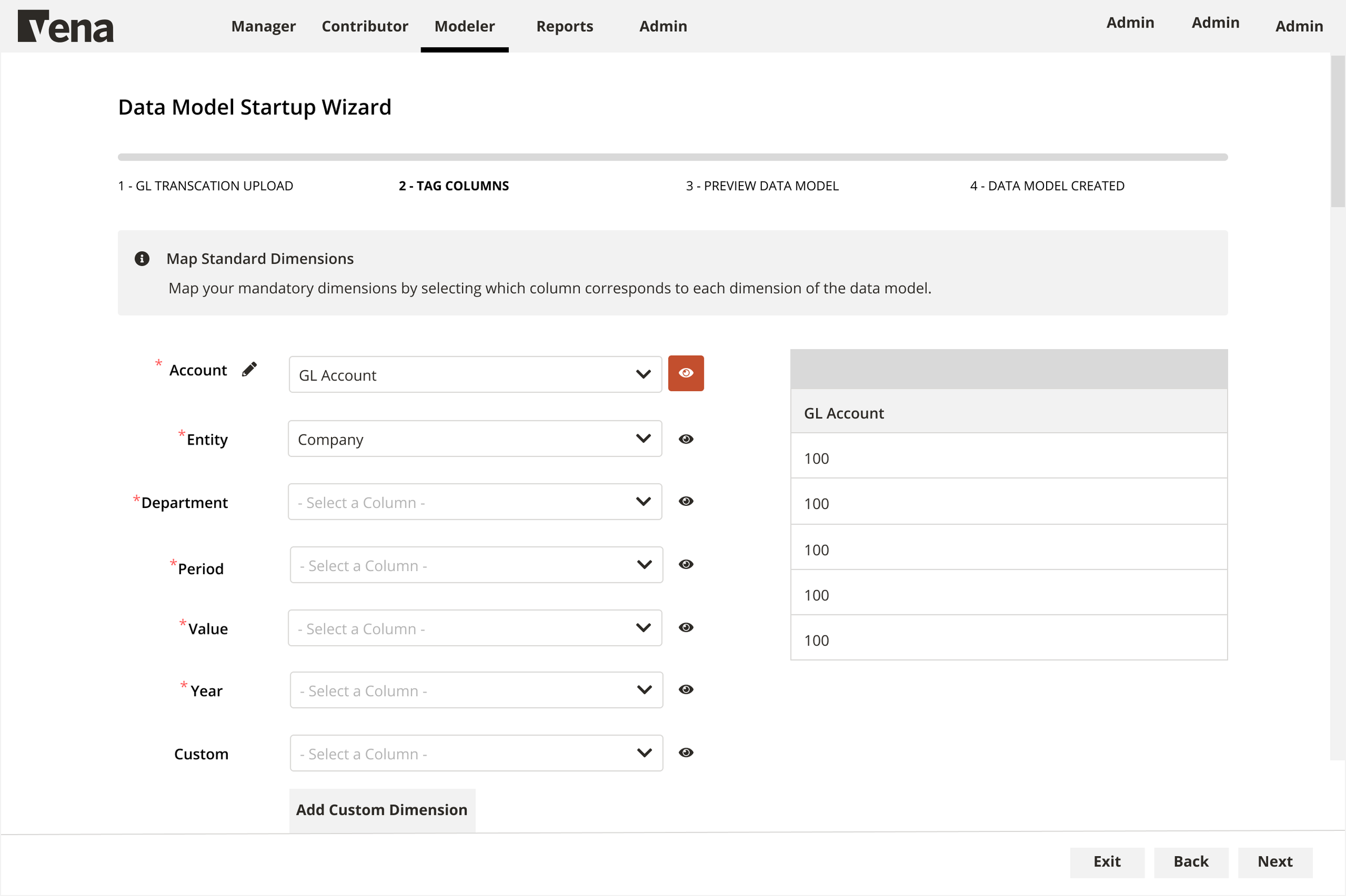
2️⃣ Map Dimensions
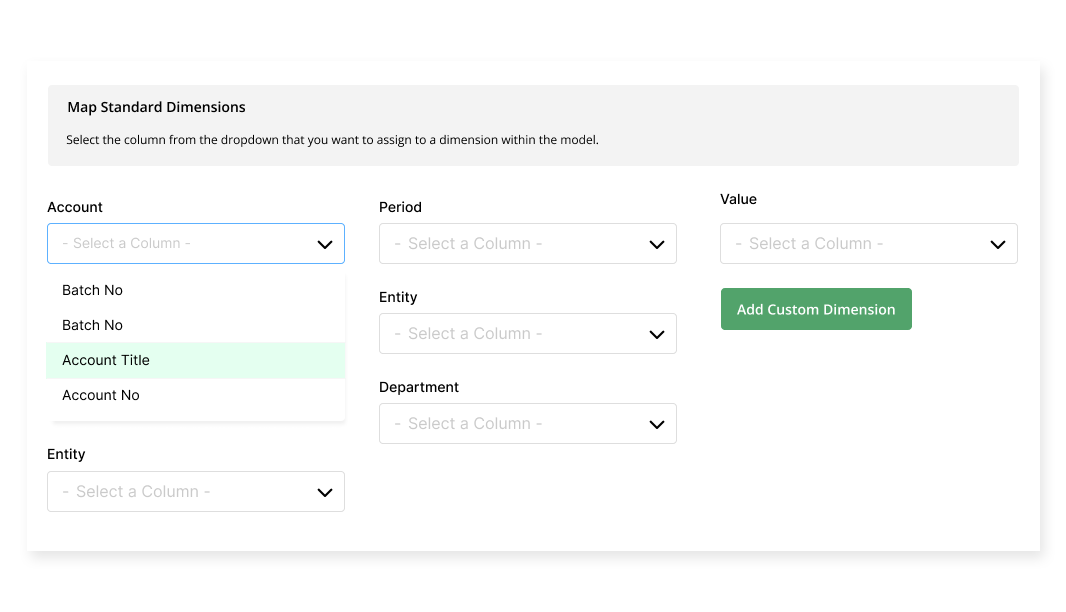
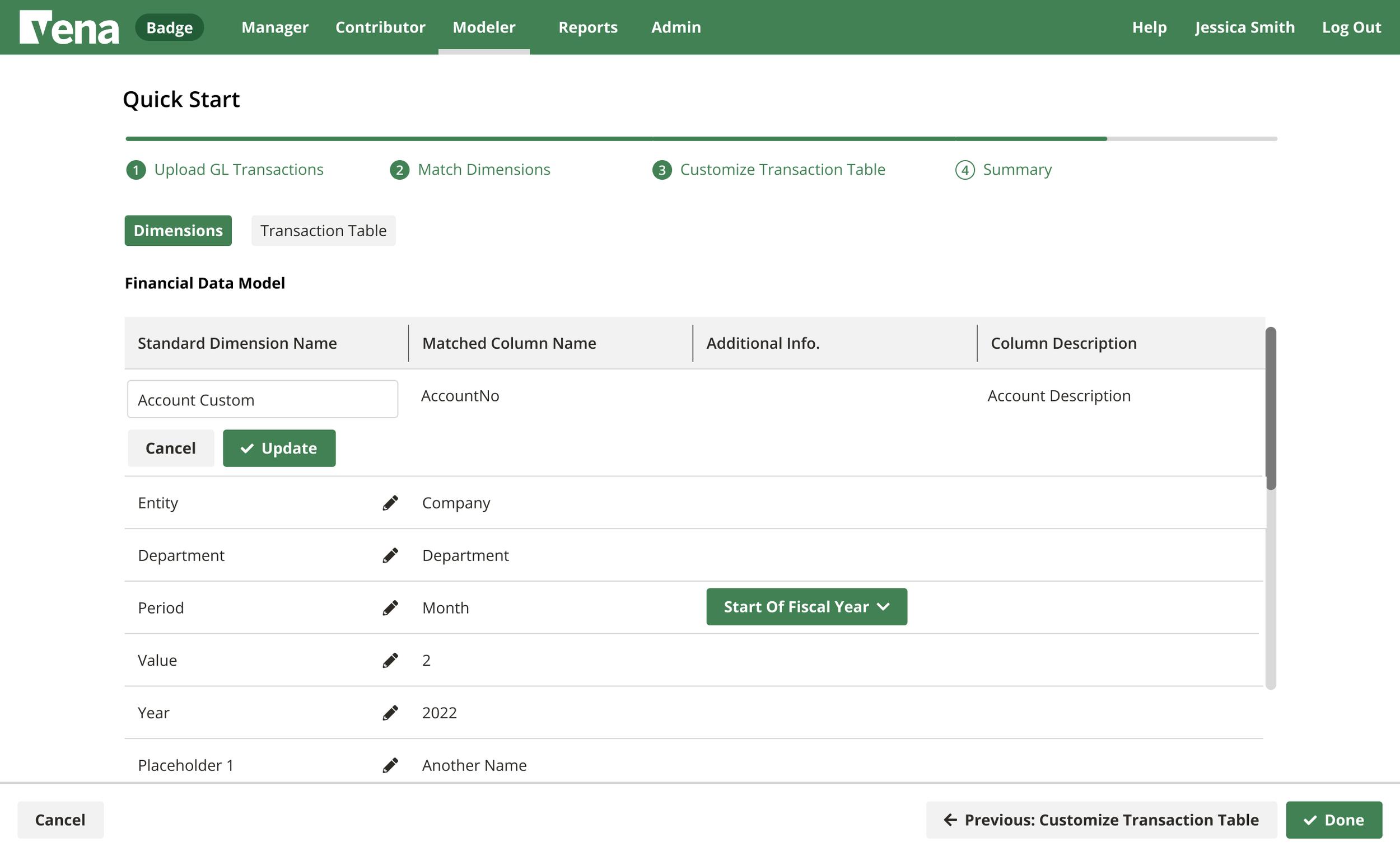
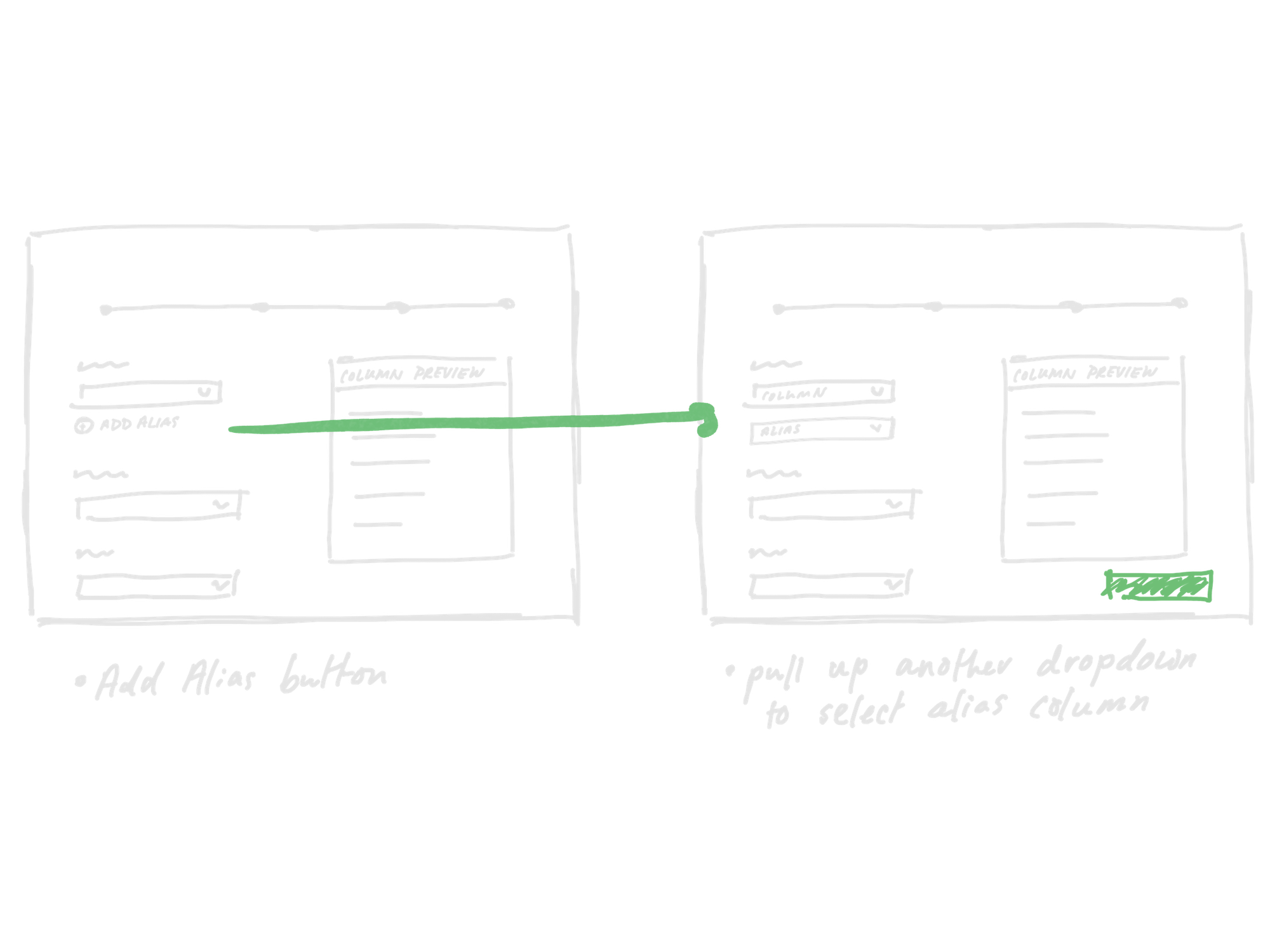
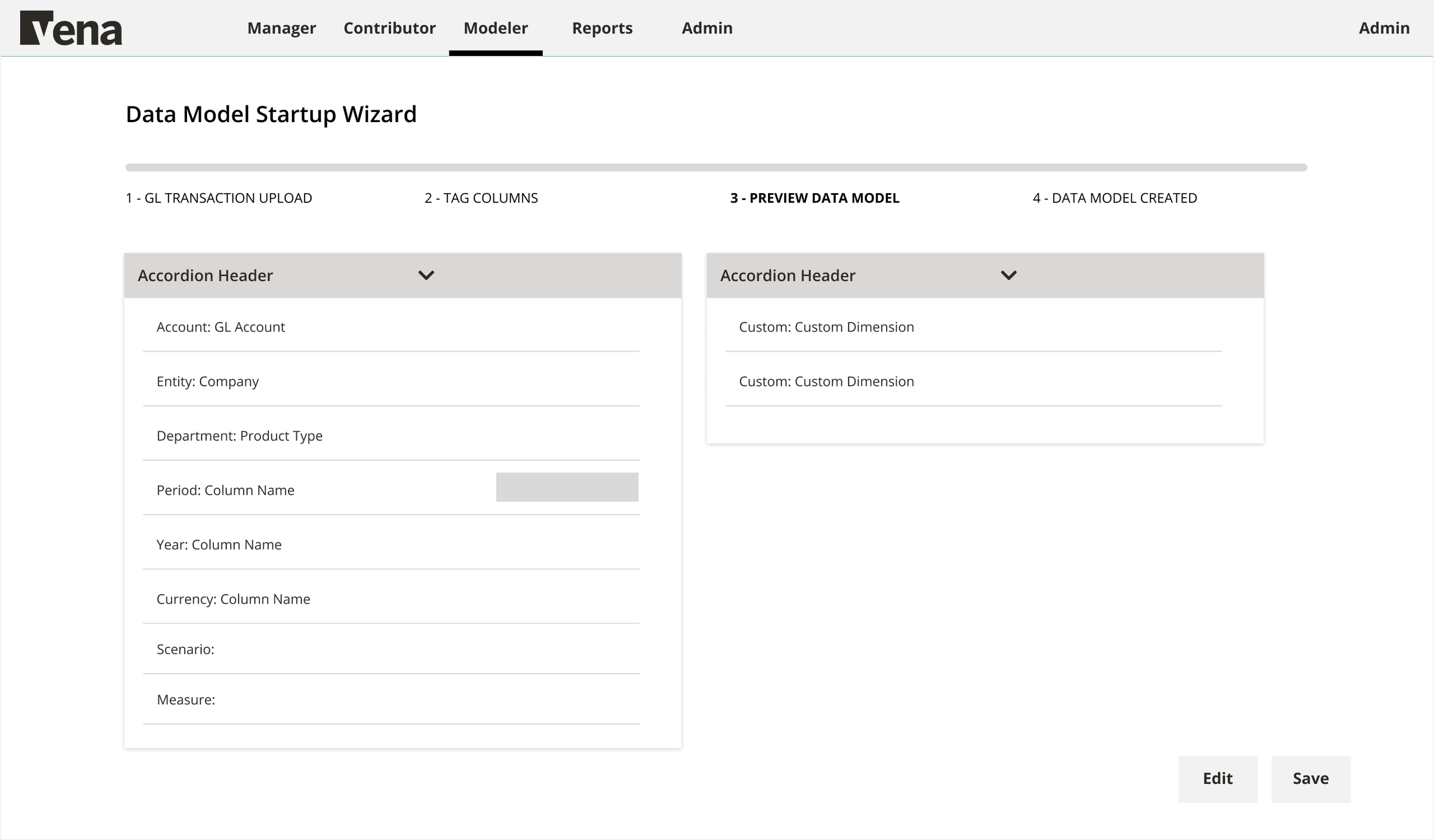
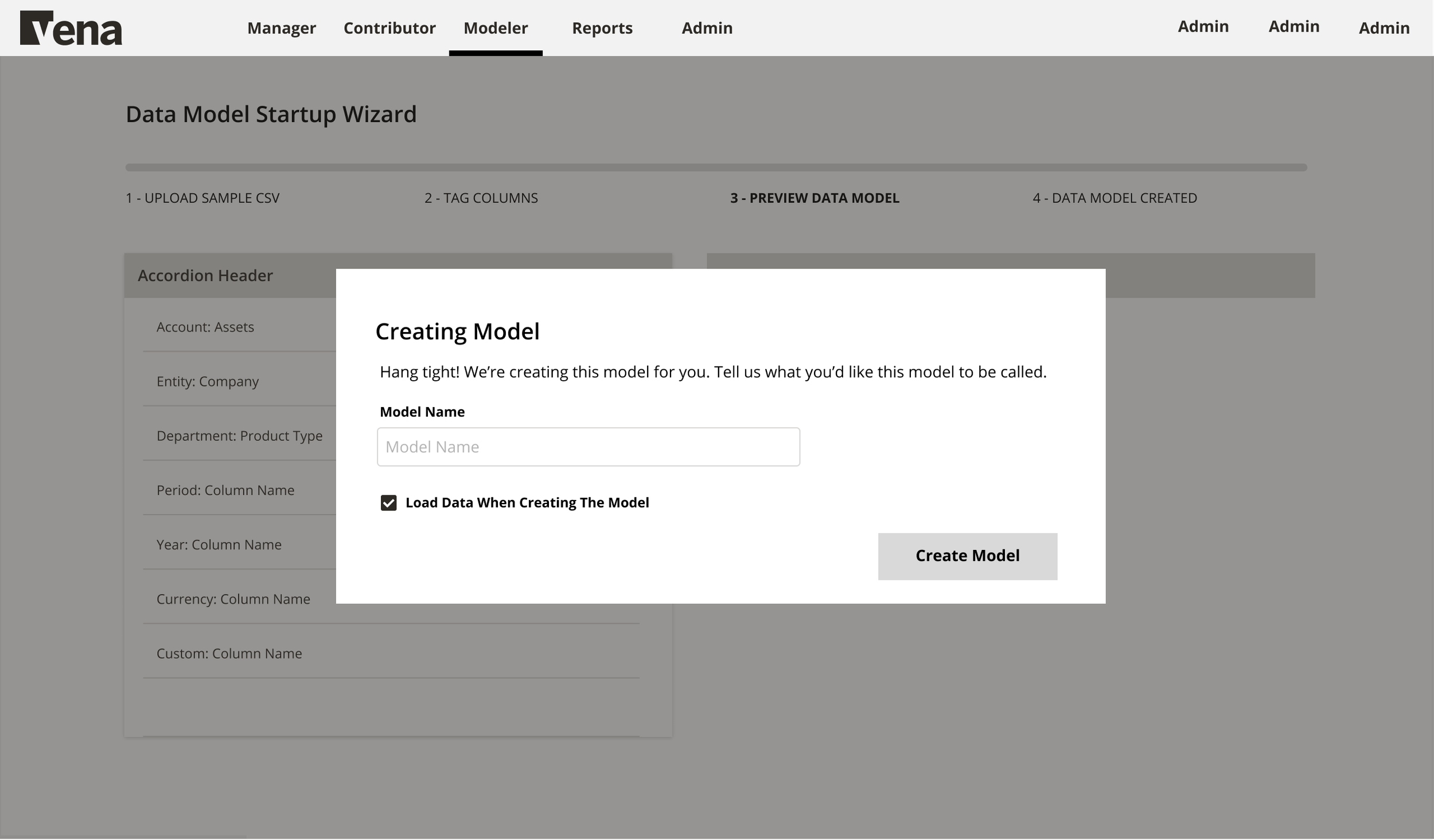
Vena offers a set of standard dimensions to help users get started when creating a data model. Allowing users to easily map their data to our pre-defined standard dimensions takes out the guess-work and reduces the margin for errors.
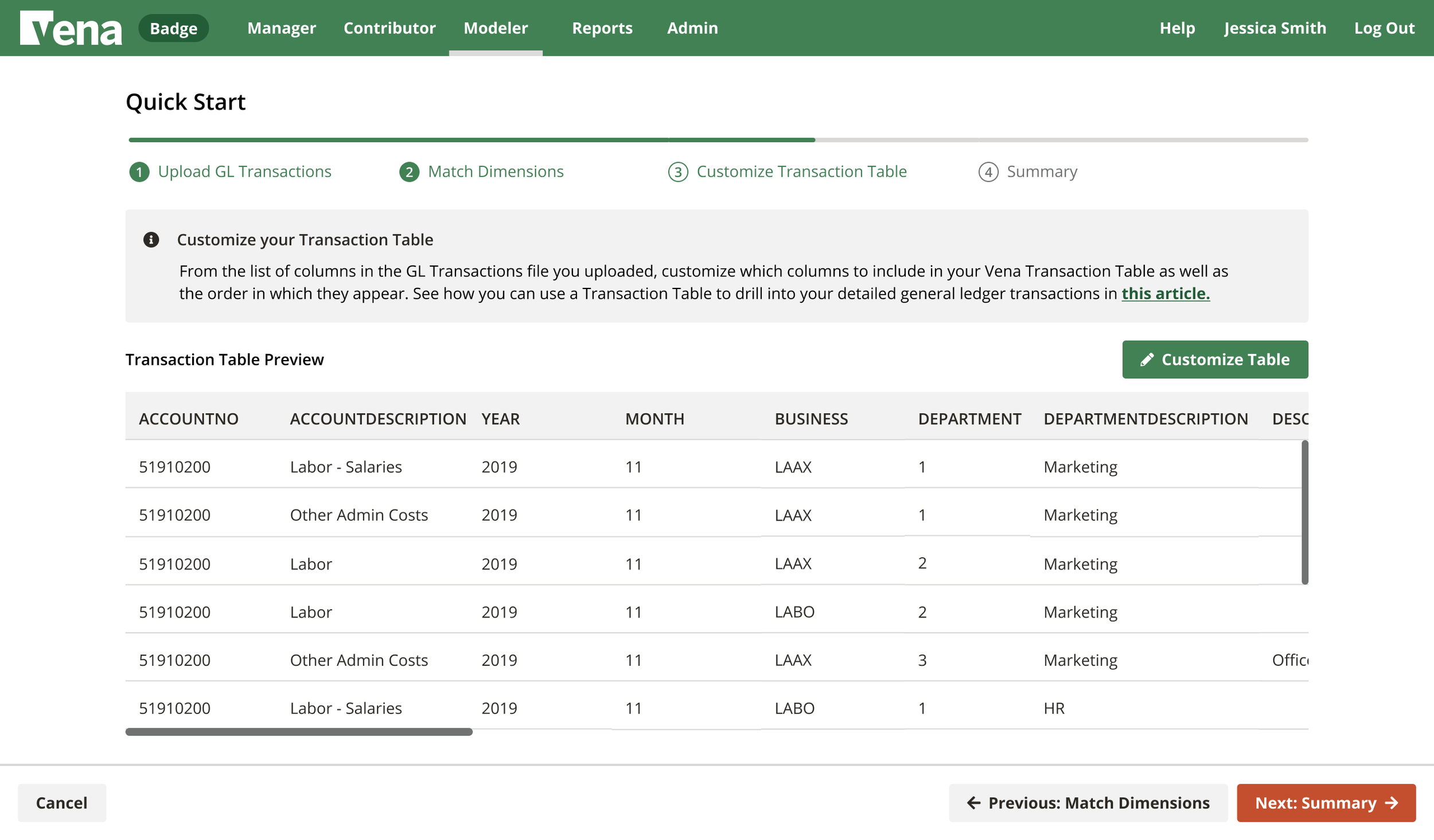
3️⃣ Custom Tables
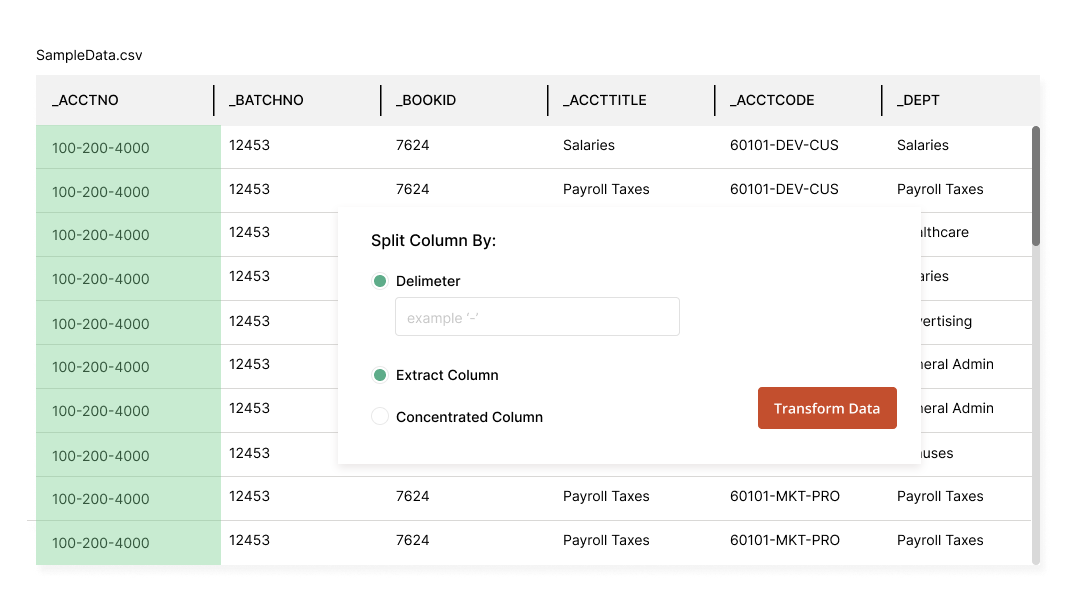
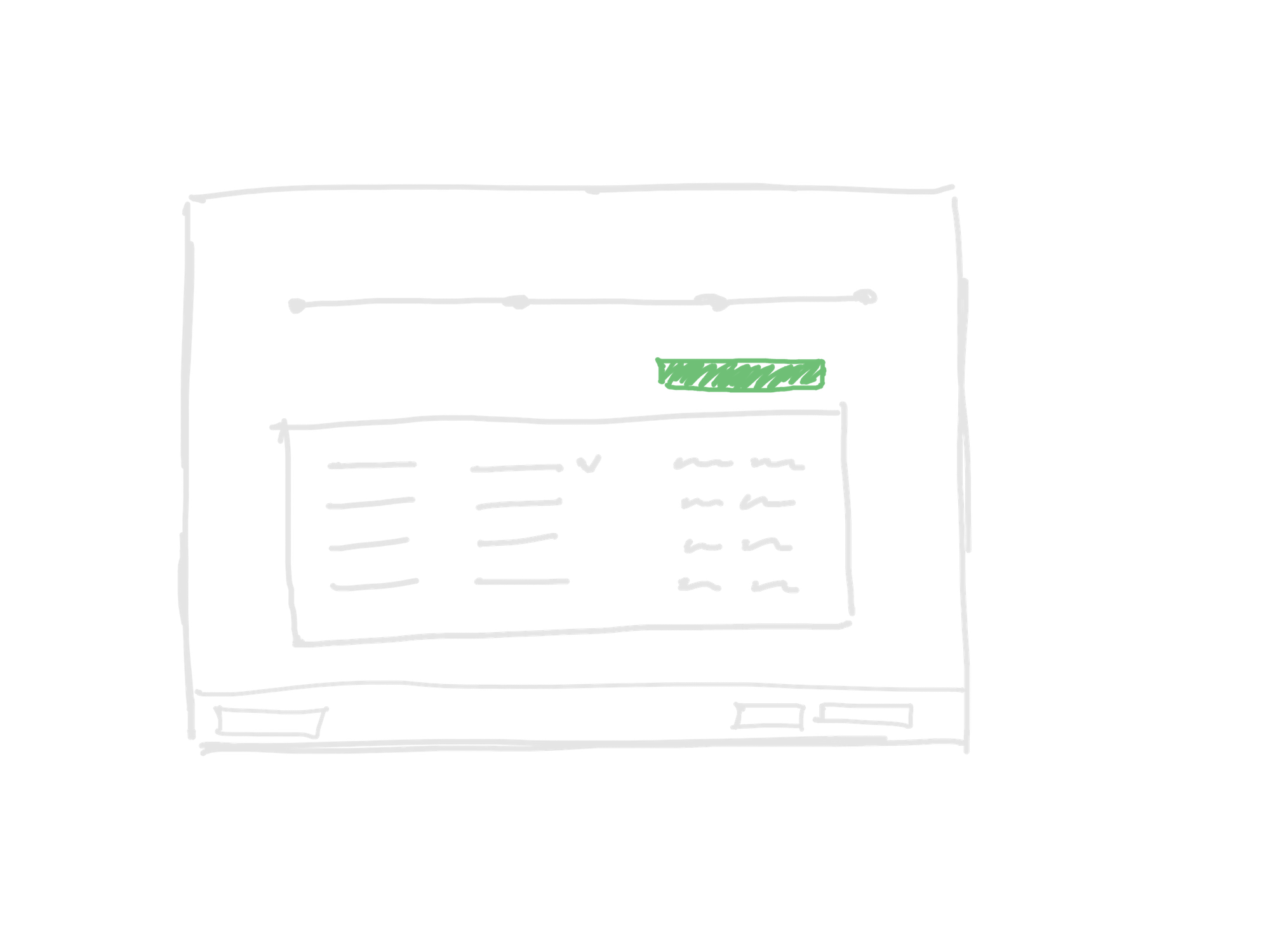
Allowing users to customize their tables in the setup process with simple instructions gives them more control, flexibility and enables them to organize their model how they want to.
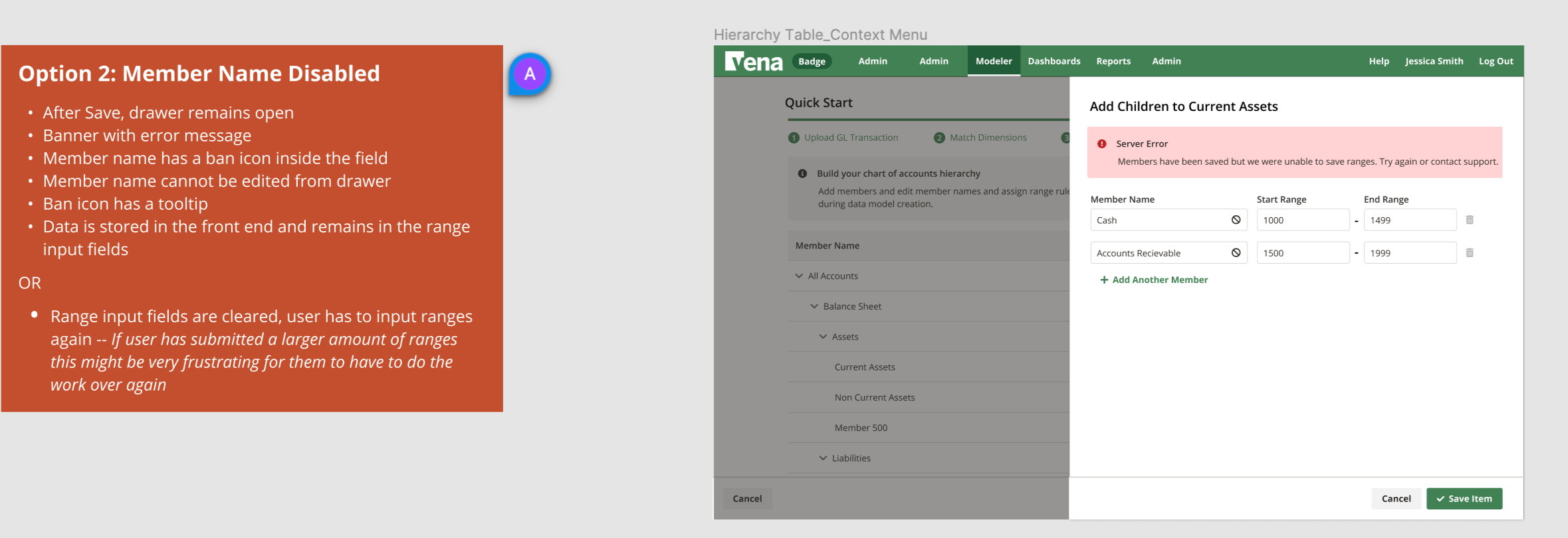
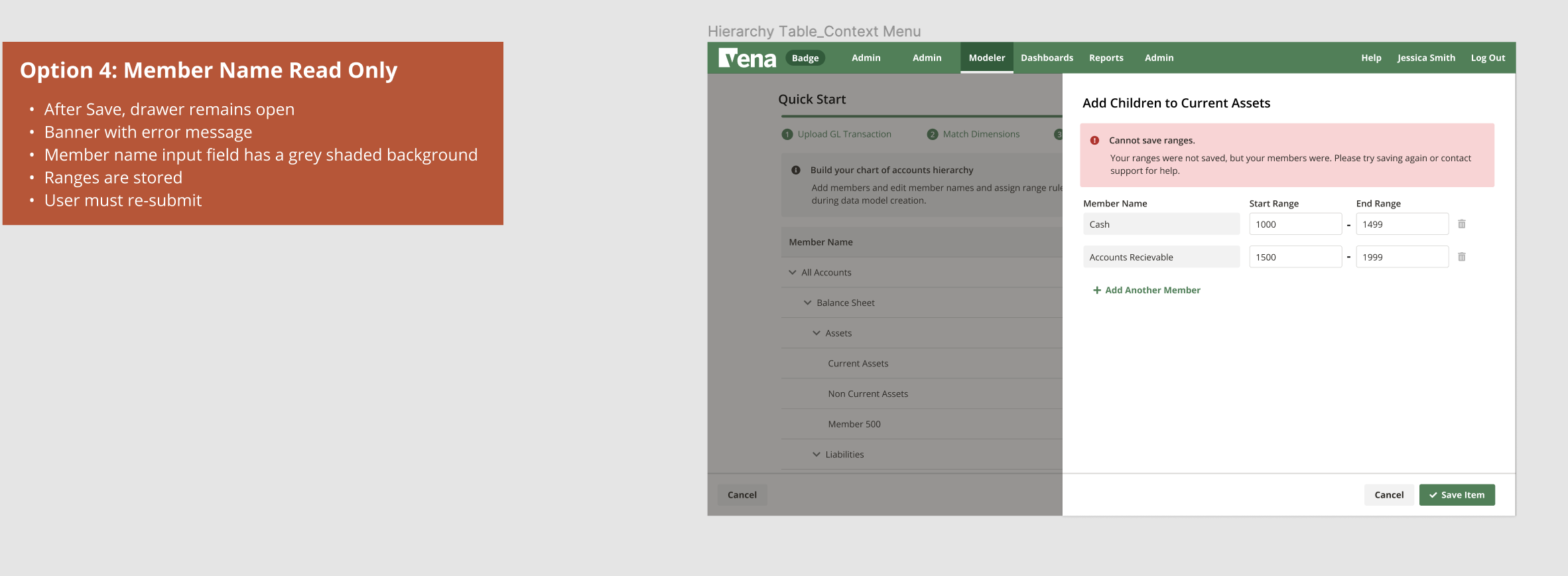
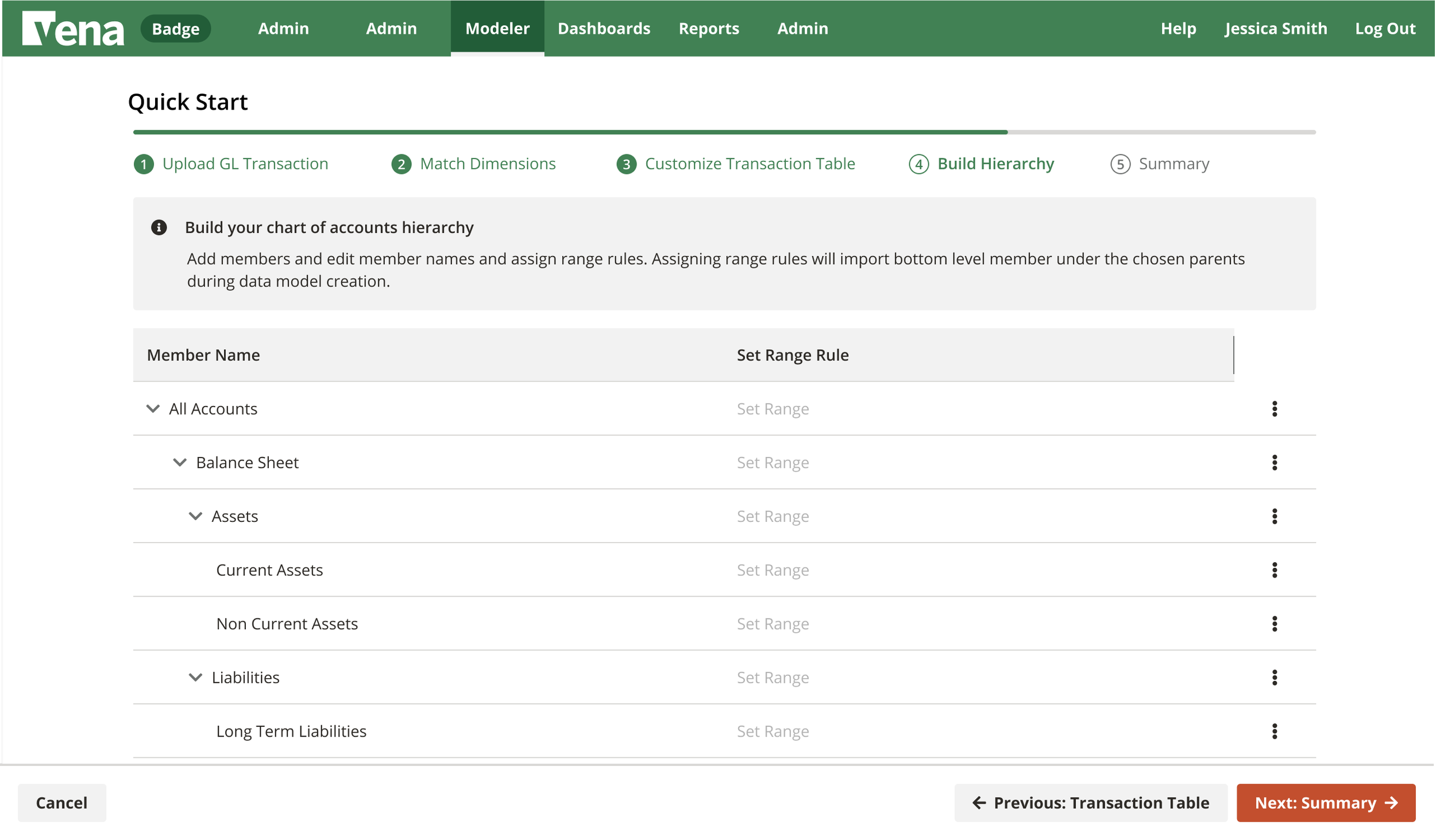
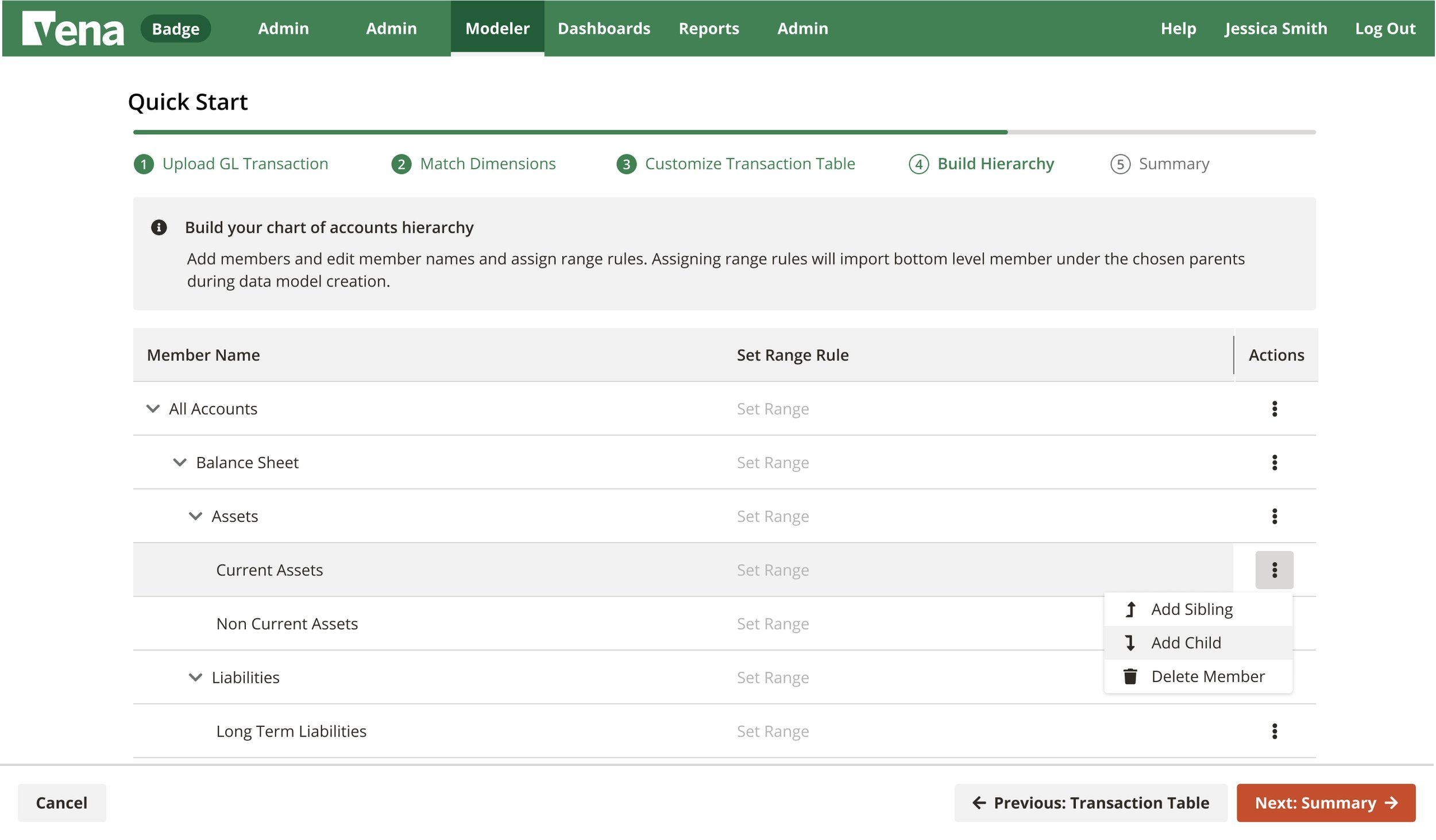
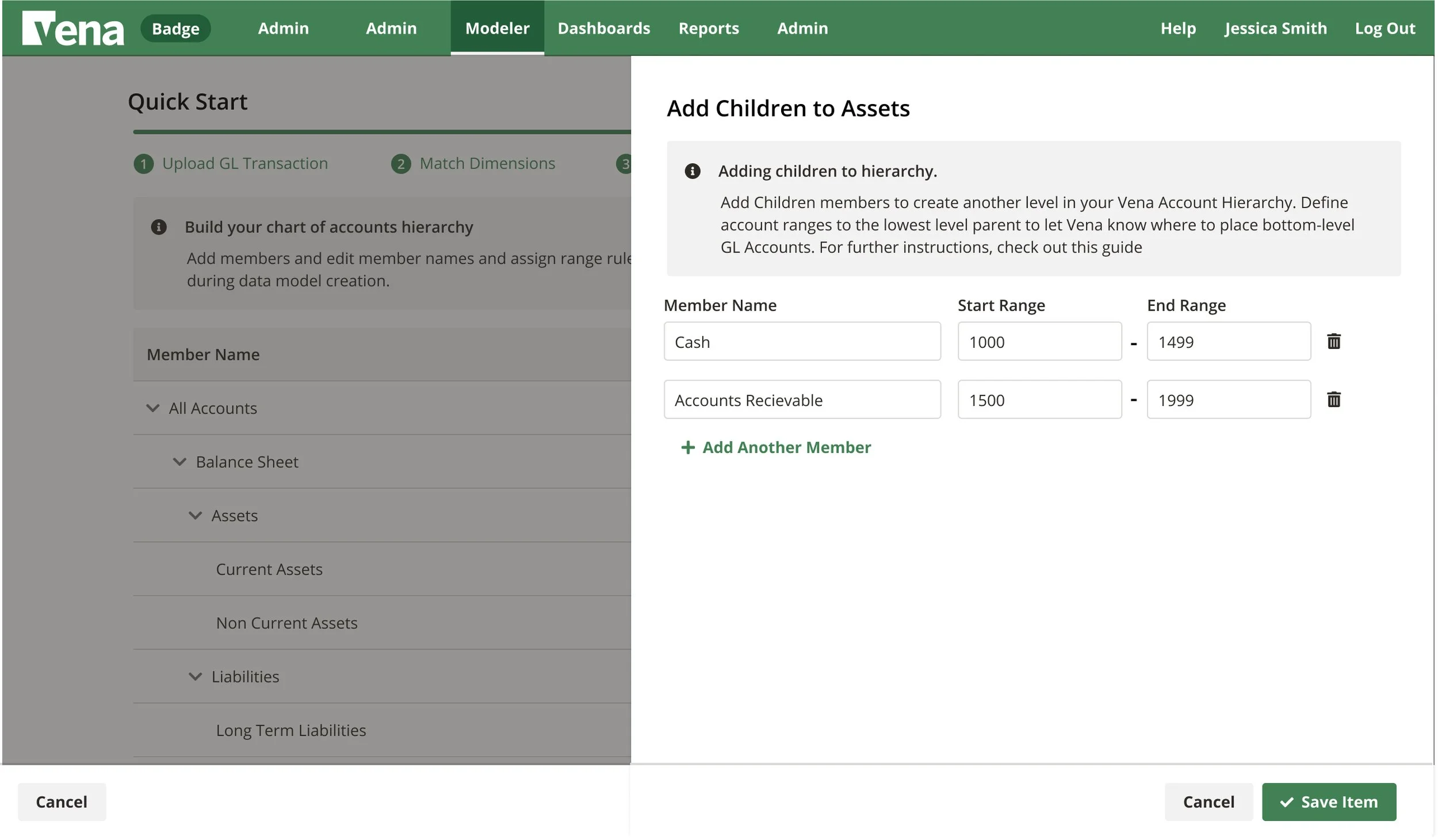
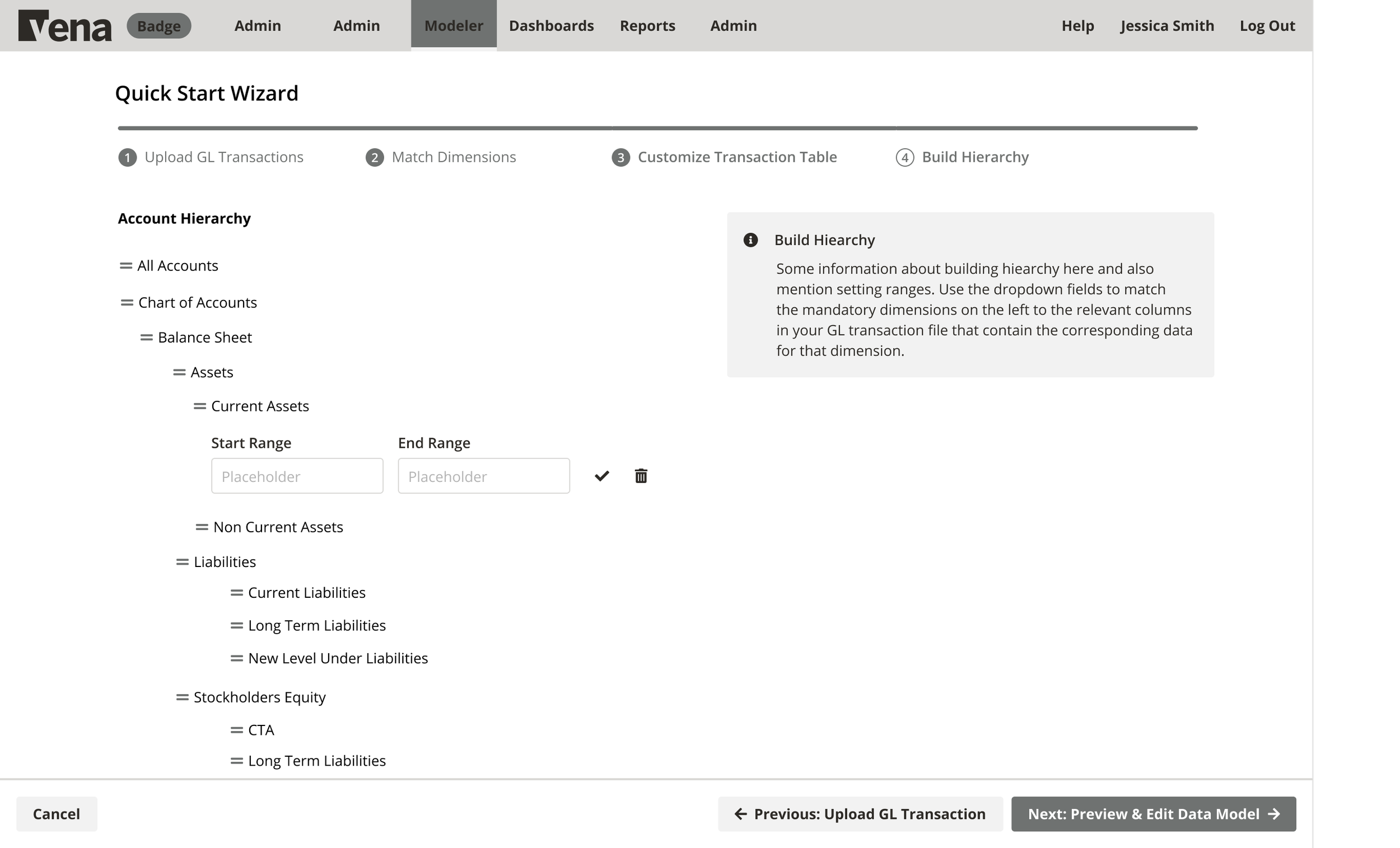
4️⃣ Build Hierarchies
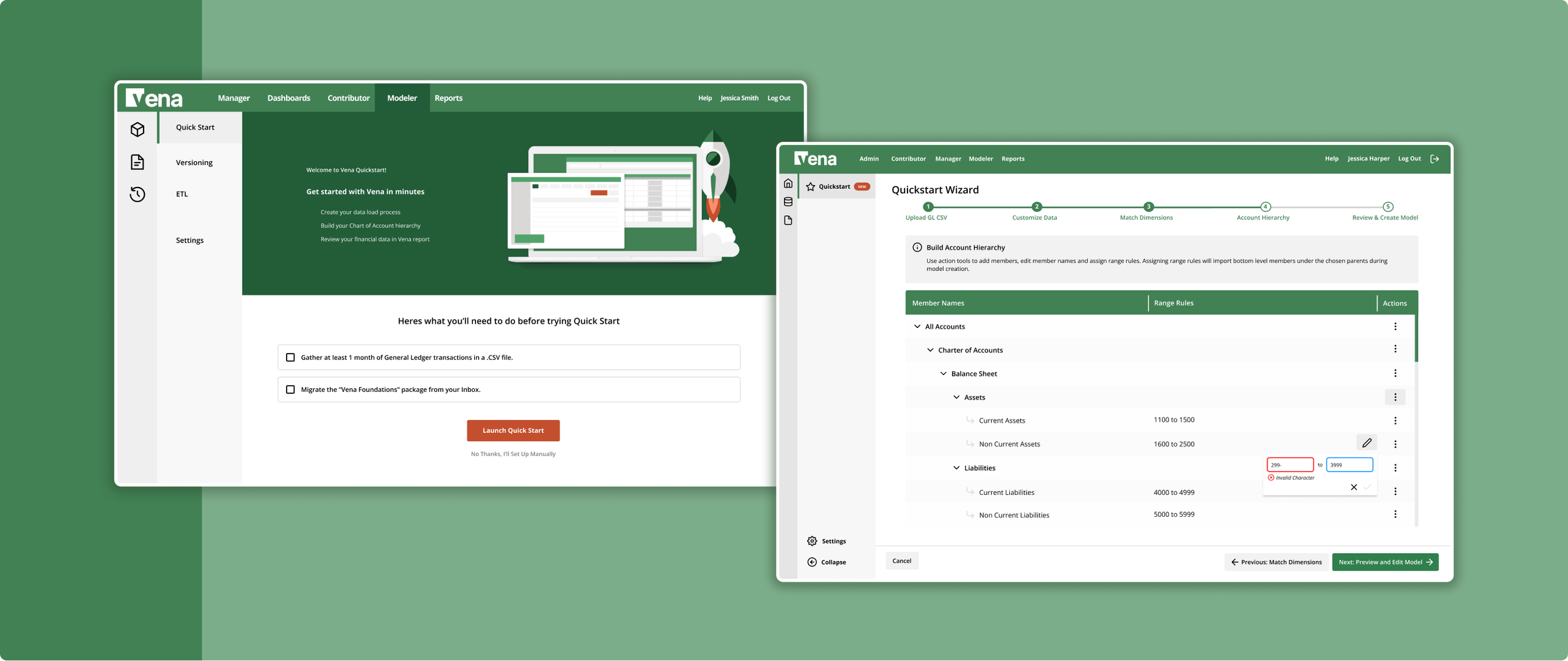
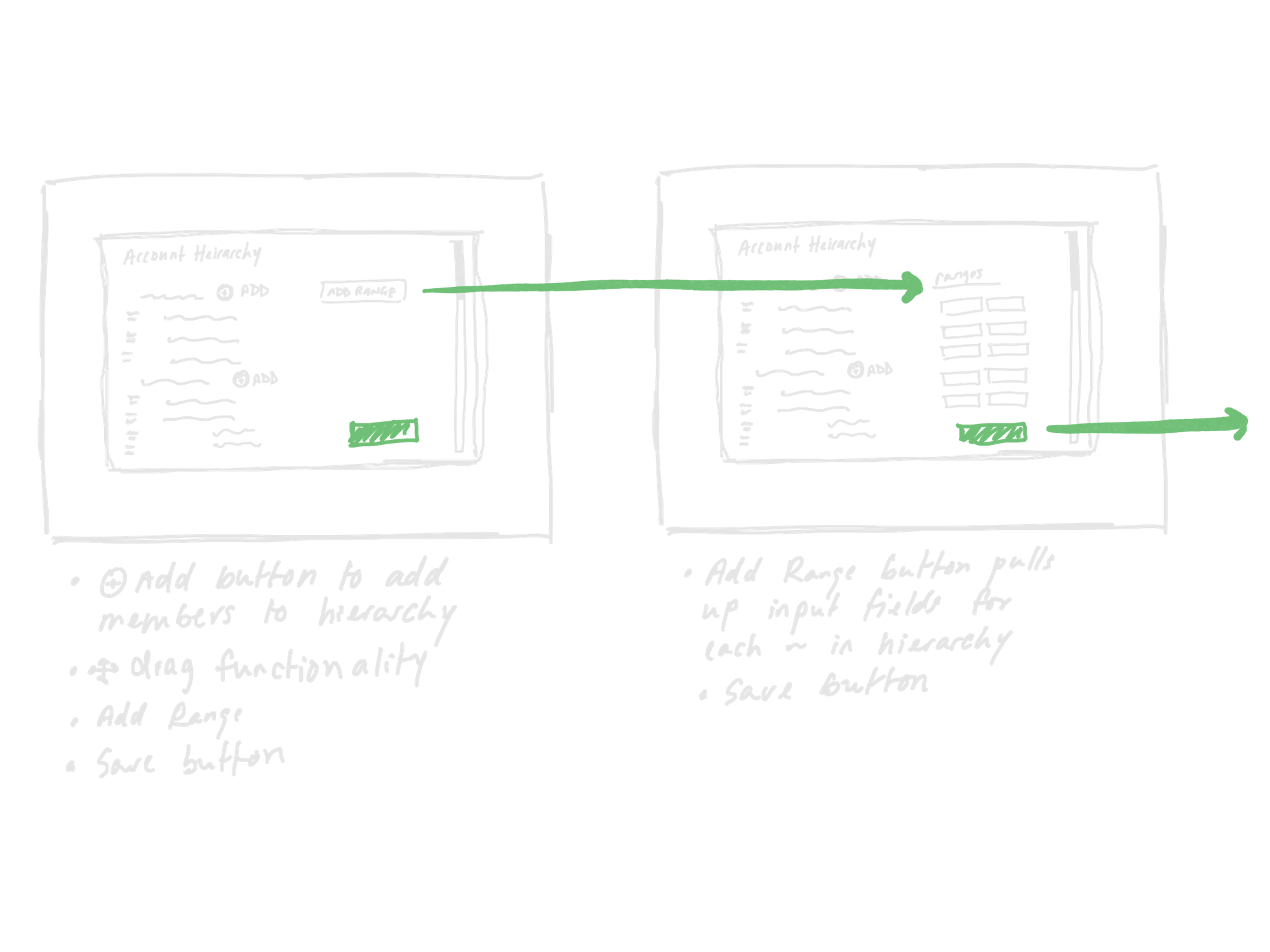
Introducing the ability to add bulk ranges reduces the manual labour of individually inputting account codes for every member in the model, decreasing the time to build hierarchies.
⛔️ greatest challenges —
1️⃣ Mitigating Errors & Edge Cases
Ensuring all possible situations in which errors could be occur and ensuring that guardrails were setup to eliminate these risks required a lot of future thinking and a deep understanding of the technical process.
thinking through all error scenarios and edge cases early on
providing clear error messages and error states with clear instructions
working through a variety of iterations and rapid testing to see which solution provided the most clarity for the user to successfully move forward
2️⃣ Design System Constraints
Our design system was undergoing a heavy makeover as we were switching over React. We faced a number of obstacles and were sometimes limited to what was available and accessible, often leading to design pivots. In other cases, a good amount of time was spent advocating for certain components to get priority in the backlog.
🚀 shipped —
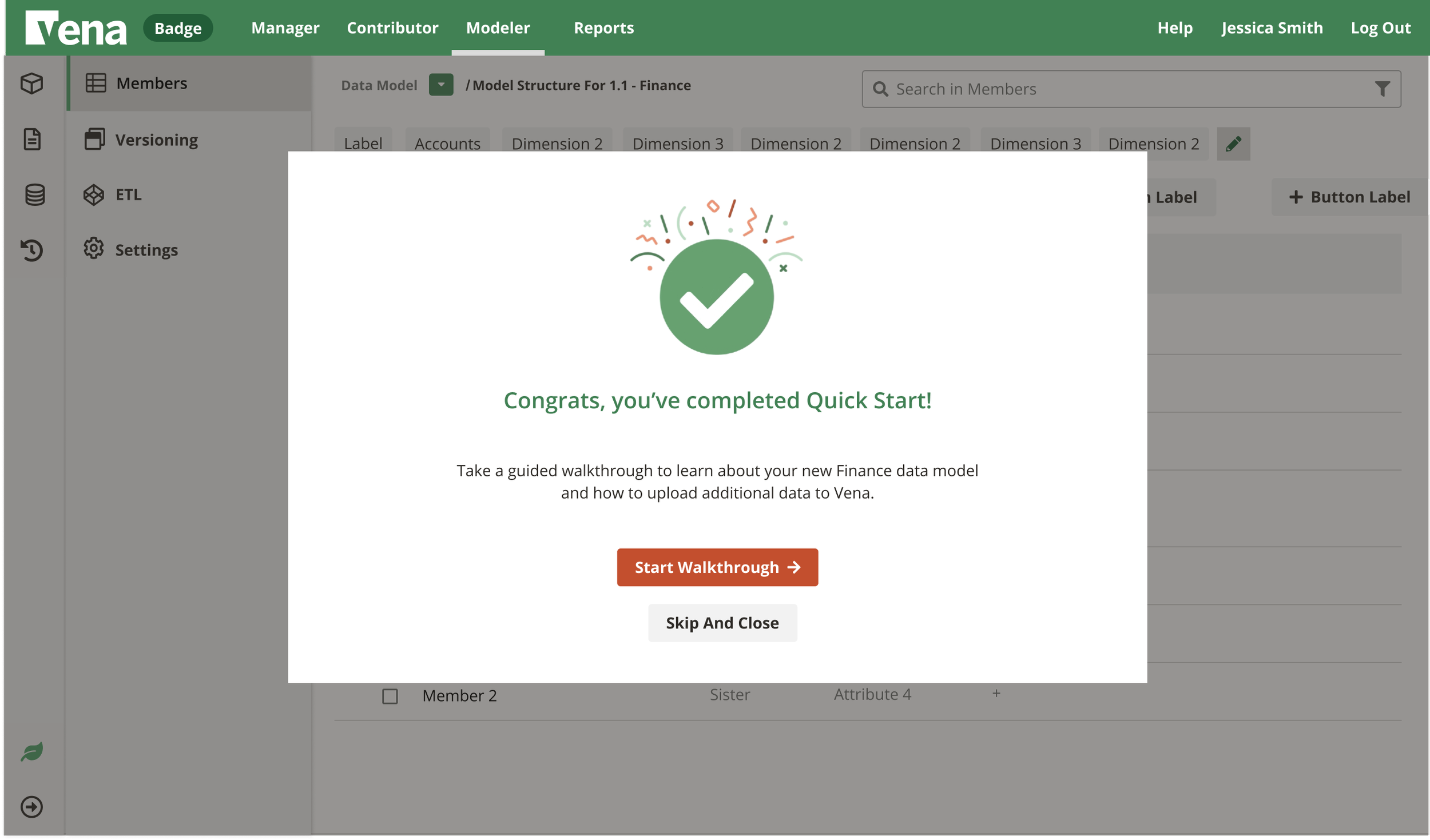
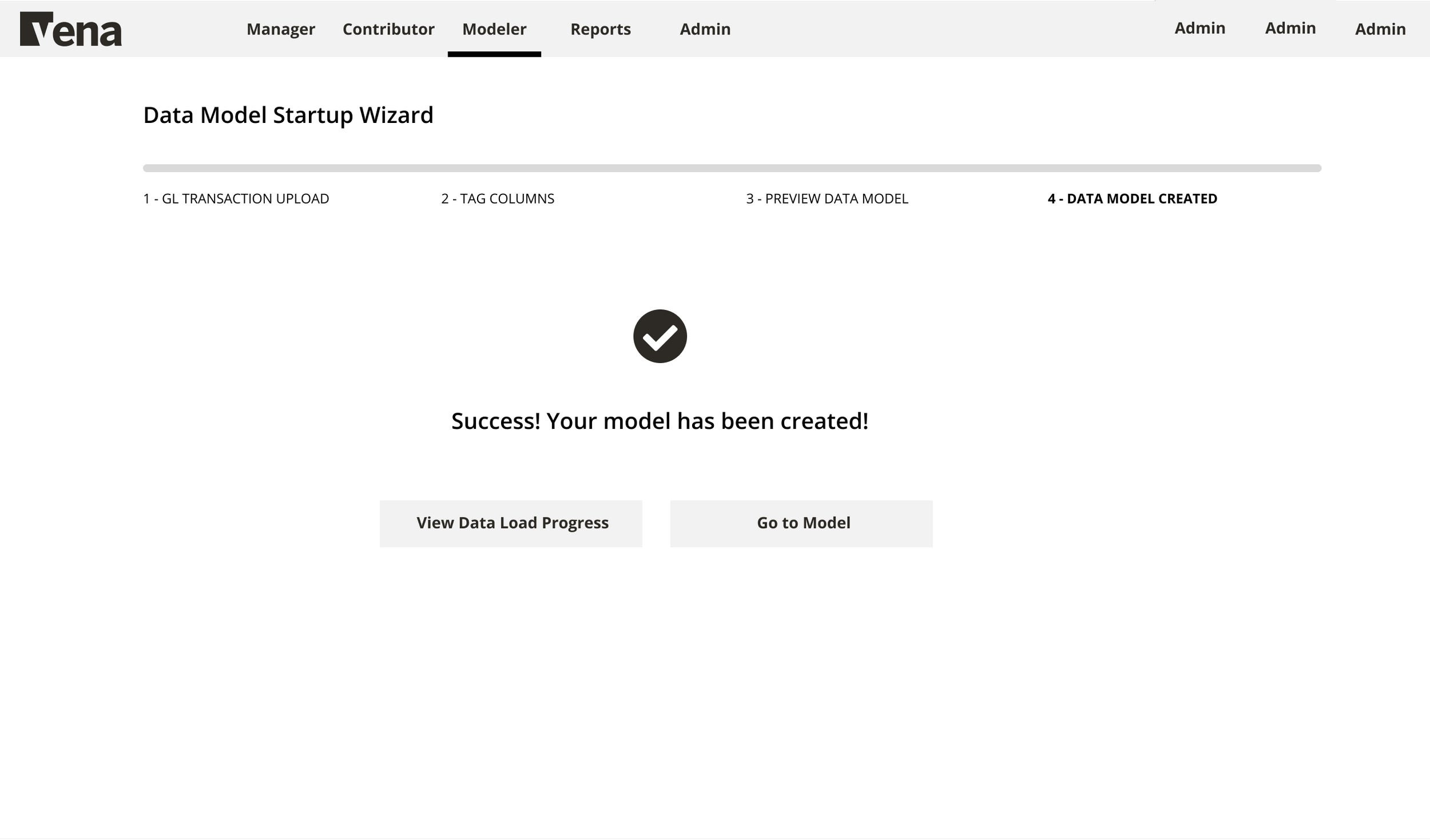
After the launch of Quickstart we were able to decrease time to value and the implementation hours by 80%.
This was an especially rewarding project. It was particularly exciting getting to be the primary designer on a full end-to-end design process. I got a lot of experience on every aspect of the process. It was also one of the most collaborative projects that I’ve ever worked on. Working cross-teams and with a variety of different stakeholders.
Vena Quickstart
Designed to streamline the initial setup process for users and simplify the onboarding experience for organizations adopting Vena for the first time. Quickstart serves as a user-friendly tool to accelerate the implementation process; reducing the time to value by 80%.
Role: Lead Designer | Duration: 4 Quarters | Tools: Dovetail, Figma, Storybook, Jira, Pen & Paper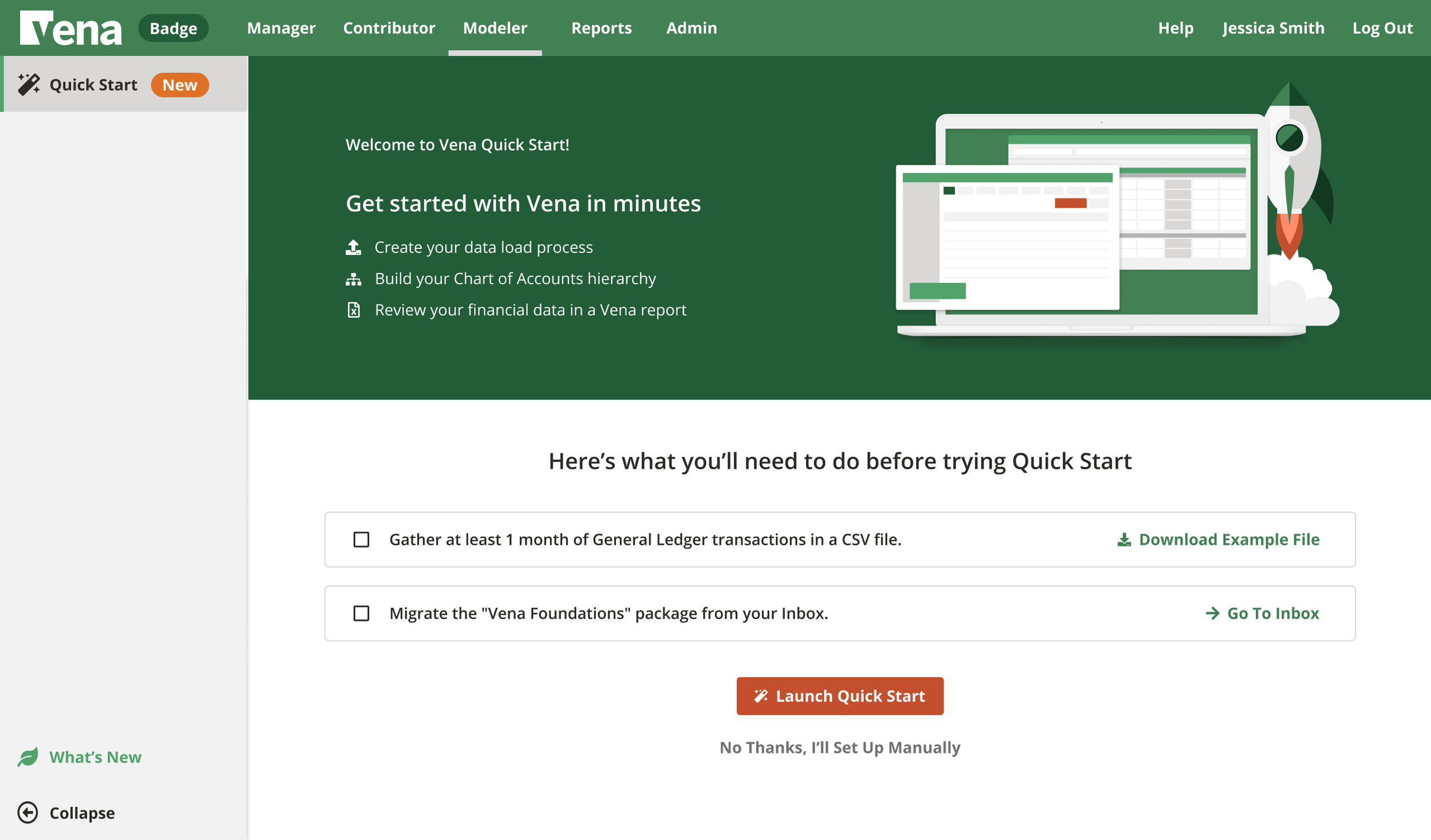
sketching —
planning —